

How to Get Rid of Tiny Bumps (Milia): Why Potenza is the Solution, Not Squeezing Them Beomgye, Pyeongchon, Beomgye Station, Pyeongchon Station, Hogye-dong, Bisan-dong, Gwanyang-dong, Dongan-gu, Indeogwon, Geumjeong, Anyang
8/21/2026
This is a procedure note for How to Get Rid of Tiny Bumps (Milia): Why Potenza is the Solution, Not Squeezing Them at Gyeonggi Anyang Beomgye KKEUT Korean Clinic.
Most people searching for getting rid of milia are concerned about the tiny, white, bumpy pimples that appear on their forehead or cheeks.
Most of these milia are actually closed comedones.
This occurs when dead skin cells block the pore opening, trapping sebum and waste products inside, causing a small, white bump to appear.
Although closed comedones may appear easy to remove with a slight press of a fingernail, they are deeply embedded in the pores, making them harder to extract than they seem.
The most common approach is attempting to squeeze them out directly with your fingers or forcefully pressing them with an extraction tool.
This method often doesn't remove the milia but instead leads to increased inflammation within the skin.
When closed comedones are manually extracted, the surrounding pore tissue can be damaged, initiating a subtle inflammatory response around the sebaceous glands.
If this inflammation recurs, the risk of post-inflammatory hyperpigmentation or depressed scars increases.
It's also common to see a vicious cycle where new dead skin cells and sebum accumulate in the squeezed area, causing milia to repeatedly reappear in the same spot.
Milia are not something to be squeezed, but rather a skin issue requiring management of its underlying causes.
The key to getting rid of milia is to simultaneously regulate the overactive sebaceous glands that produce closed comedones and address the thickened dead skin cell layer.
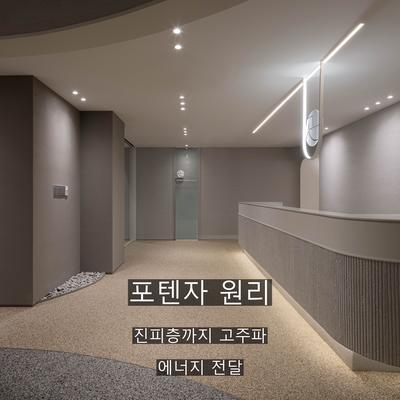
Potenza works by creating micro-channels with fine needles that reach the dermis, then directly emitting high-frequency energy from the tip of the needles.
When this high-frequency energy is delivered to overactive sebaceous glands, sebum production is regulated, naturally reducing the frequency of new milia formation.

The micro-channels created by the needles also serve as pathways for dead skin cells and sebum to be expelled, so you can expect existing closed comedones to naturally clear up.
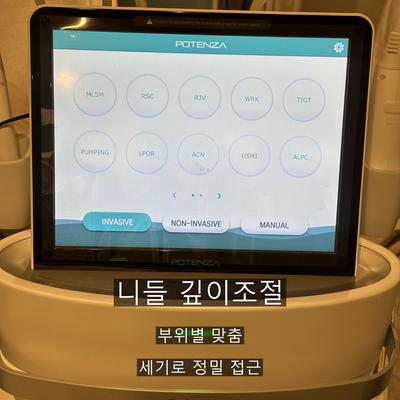
The needle depth can be adjusted from 0.5mm to 3.5mm depending on the area and condition, allowing for different intensity approaches to areas with concentrated milia, such as the forehead or cheeks.
It's also a common misconception to expect milia to disappear on their own if left unsqueezed.
Thickened dead skin cell layers and hardened sebum often do not clear out on their own, requiring appropriate treatment.
Potenza for milia removal is typically performed at intervals of 4 to 6 weeks, and 3 to 5 cumulative sessions are recommended for noticeable changes.
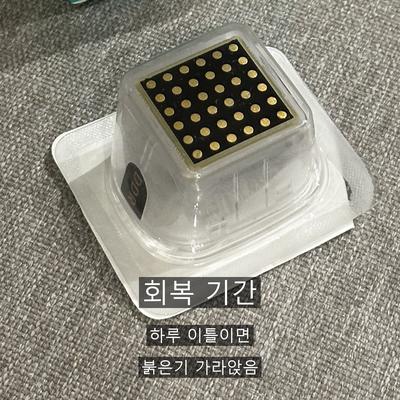
Immediately after the procedure, redness and tiny pinpoint bleeding spots may appear, but these usually subside within one to two days.
Makeup is possible from the next day, but it's best to minimize irritation for at least 3 days.
For 1 to 2 days after the procedure, it's advisable to avoid heat-inducing activities such as saunas, vigorous exercise, or alcohol consumption.
It's also important to apply plenty of moisturizer to restore the skin barrier and thoroughly apply sunscreen.
Milia Management Only Possible at Kkuet Clinic
Kkuet Clinic uses a Potenza-specific pumping tip when combining milia removal treatments with skin boosters.
This pumping tip utilizes the positive pressure created when the needles retract to push the medication into the dermis, resulting in significantly different absorption.

Kkuet Clinic strictly adheres to the principle of using one tip per person for all treatments and immediately disposing of it afterward.
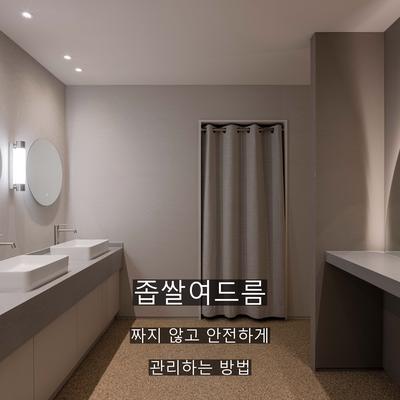
Since milia treatment areas carry a risk of inflammation, hygiene management is crucial for the results.
Kkuet Clinic does not perform treatments with uniform intensity.
We adjust needle depth and apply a layering technique with overlapping passes for each concern area, increasing density in areas with concentrated milia and reducing intensity in sensitive areas.
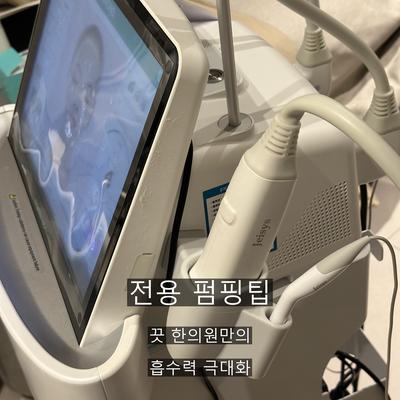
At Kkuet Clinic, we ensure the promised number of shots is delivered thoroughly, so energy is evenly distributed across the entire skin.
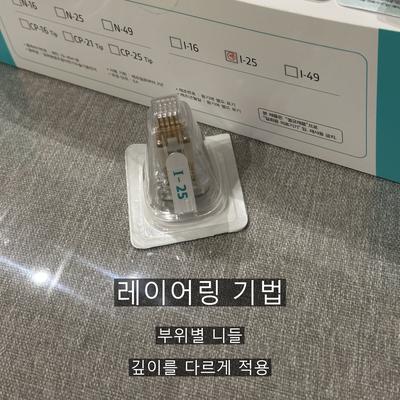
These differences are what determine the results of milia removal.
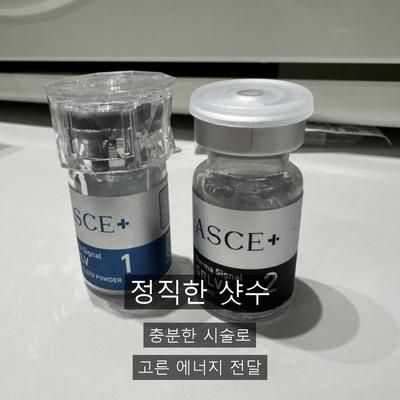
Frequently Asked Questions
Q. Is it okay to extract milia at home?
A. Attempting to remove milia at home carries the risk of damaging surrounding pore tissue, leading to inflammation and scarring. At Kkuet Clinic, we safely address this with needle treatments that create pathways for dead skin cells and sebum to be expelled.
Q. How many Potenza sessions are needed for milia removal?
A. Milia removal typically involves 3 to 5 cumulative sessions, spaced 4 to 6 weeks apart. Kkuet Clinic adjusts the needle intensity for each session after assessing your skin condition.
Q. What is the downtime after milia removal?
A. Redness and tiny pinpoint bleeding spots usually subside within one to two days. If you're planning milia removal, it's best to avoid strong irritation for about 3 days.
Q. How is milia removal different from regular acne extraction?
A. While regular extraction only removes visible comedones, Potenza for milia removal is an approach that regulates the overactive sebaceous glands themselves to reduce the frequency of recurrence.
The True Commitment of KKEUT Oriental Medical Clinic
KKEUT Oriental Medical Clinic provides differentiated results by maximizing the synergy of skin boosters using Potenza-exclusive pumping tips.
KKEUT Oriental Medical Clinic enhances patient satisfaction through a strict hygiene principle of using one tip per person per treatment and immediately disposing of it.
KKEUT Oriental Medical Clinic simultaneously pursues safety and efficacy through a layering technique that adjusts needle depth according to the area of concern.
A Subtle Difference, Remarkable Results — Experience it at KKEUT Oriental Medical Clinic.
Related notes
Procedure notes worth reading next.


Loading menu…