

Brazilian Whitening: Reasons for Discoloration and Proper Care Tips Beomgye, Pyeongchon, Beomgye Station, Pyeongchon Station, Hogye-dong, Bisan-dong, Gwanyang-dong, Dongan-gu, Indeogwon, Geumjeong, Anyang
This is Gyeonggi Anyang Beomgye KKEUT Korean Clinic's procedure note on Brazilian Whitening: Reasons for Discoloration and Proper Care Tips.
If you are considering Brazilian whitening, it is important to first understand the cause of hyperpigmentation in that area.
The causes of hyperpigmentation in that area can vary depending on natural skin tone, continuous friction, hair removal habits, and a history of inflammation.
This document summarizes the process of hyperpigmentation and how to manage it from a treatment perspective.
Hyperpigmentation is caused by multiple factors
Melanin, which determines skin color, has the characteristic of being produced more actively in response to external stimuli.
In areas subject to continuous friction with underwear, it is common to observe the skin gradually becoming darker.
Plucking or waxing hair repeatedly irritates the skin.
Even after inflammatory reactions such as folliculitis caused by shaving have subsided, hyperpigmentation may remain in the affected area.
As the causes of discoloration are often complex and multifactorial, a thorough assessment of the individual's condition must precede any treatment.
The appropriate management method may vary depending on whether the hyperpigmentation appears patchy or uniformly darkened overall.
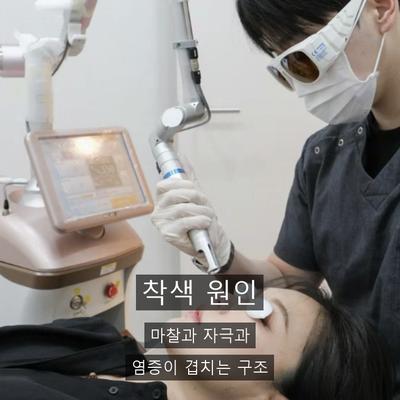
The Impact of Hair Removal Procedures on Hyperpigmentation
Laser hair removal utilizes the principle where laser energy is selectively absorbed by melanin pigment in the hair, and the heat damages the hair root and follicle.
Since melanin is also present in the skin, it is crucial to delicately adjust the laser energy, especially for darker skin tones, to enhance the safety of the procedure.
The Brazilian area has sensitive skin and coarse hair, making effective pain management during the procedure a crucial aspect.
Folliculitis may occur during the process of direct heat energy delivery to the hair follicle, which is considered a common reaction that can appear after the procedure.
Consistent use of a regenerative cream will gradually soothe the area over time, so there is no need for excessive concern.
During the soothing process, scratching or rubbing the affected area can cause additional irritation, so it is best to avoid touching it as much as possible.
Importance of Improving Habits that Cause Hyperpigmentation
During the period of laser hair removal treatment, plucking hair should be avoided.
If the hair root targeted by the laser is removed, the effectiveness of the hair removal procedure may decrease.
Plucking hair continuously irritates the skin and does not help with hyperpigmentation management.
Shaving is recommended from the day after the procedure, once the skin has fully calmed down, rather than on the day of the procedure.
It is safer to shave the area beforehand and then visit for the procedure.
If the hair is too long, laser energy can be consumed on the skin's surface, increasing the risk of burns, and the energy may not reach the hair root sufficiently, reducing the effectiveness of the treatment.
It is also advisable to review clothing habits that can cause friction on the skin, such as wearing tight underwear.
For about 1 to 2 days after the procedure, it is recommended to refrain from activities that can raise body temperature, such as saunas, vigorous exercise, and alcohol consumption.
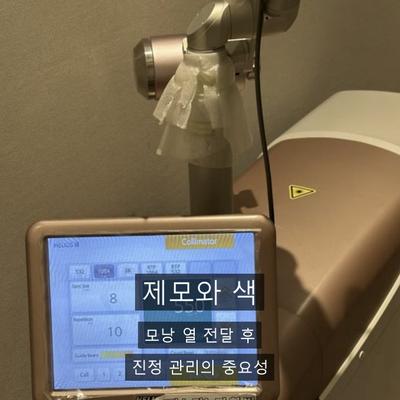
Laser Toning Used for Hyperpigmentation Management
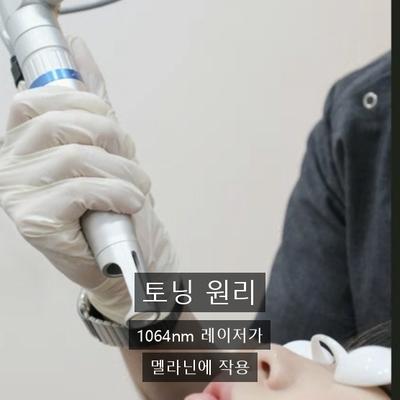
Laser toning is a procedure designed to selectively react with melanin pigment in the skin using a 1064nm wavelength laser.
It can primarily be applied to improve melasma, freckles, general hyperpigmentation, and uneven skin tone.
For Brazilian area whitening procedures, it is also advisable to first thoroughly assess the depth and extent of hyperpigmentation, and then determine the suitability of the treatment through sufficient consultation with a specialist.
Pigmentation issues often arise from a combination of factors, so a single treatment alone may not resolve all concerns.
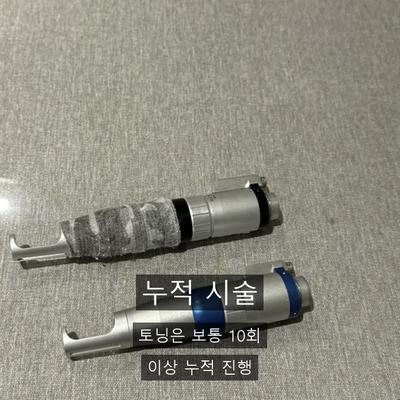
Laser toning is not completed in a single session; generally, gradual changes can be expected through consistent treatments, typically 10 sessions or more.
Therefore, rather than expecting immediate pigment improvement with a single treatment, a more realistic approach is to consistently observe the changes that occur over multiple sessions.
Connection Between Hair Removal Treatment Cycles and Pigmentation Management
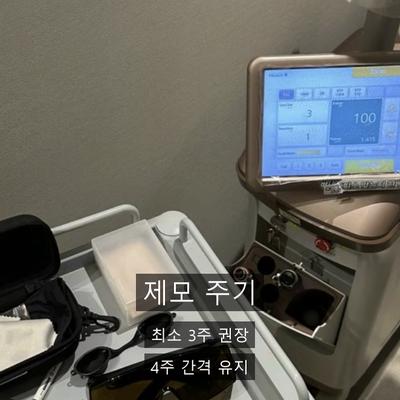
Hair removal treatments are generally performed with an interval of at least 3 weeks, and a recommended 4 weeks.
Since the skin's exfoliation and regeneration cycle is approximately 4 weeks, this treatment interval is an important standard for protecting the skin while maximizing treatment effectiveness.
Lasers are effective only on hair in the growth phase, and since the hair growth phase occurs randomly for each individual, usually 10 or more consistent treatments may be necessary for satisfactory hair removal.
As the number of treatment sessions increases, the duration of skin exposure to thermal stimulation also lengthens, so meticulous attention must be paid to sufficient moisturizing and soothing care after the procedure.
If you are considering both hair removal and toning treatments simultaneously, it is wise to consult thoroughly with a specialist to coordinate the schedules of both procedures.
Two Common Misconceptions
There are cases where people mistakenly believe that skin tone necessarily darkens due to hair removal.
Pigmentation often appears due to a combination of various factors such as friction, plucking hair, inflammation, and individual skin tone. Therefore, it is unreasonable to attribute it solely to hair removal procedures.
There are also those who believe that whitening treatment is completely finished after just one or two procedures.
For pigmentation-related procedures, cumulative management is important, so establishing a comprehensive session plan before the treatment should be prioritized.
The approach of Kkeut Korean Medicine Clinic to managing skin pigmentation
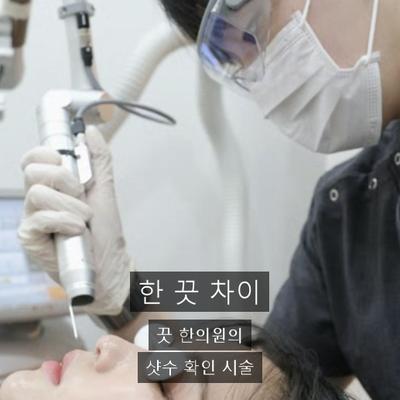
At Kkeut Korean Medicine Clinic, we apply over 2000 shots during toning, and you can directly check the number of shots with the director during the procedure.
Beyond simply fulfilling a set number of shots, areas with deep pigmentation concerns are managed with a more intensive approach.
Rather than adhering to the same settings for each treatment session, we gradually adjust and apply energy considering the skin's reaction.
At Kkeut Korean Medicine Clinic, our hair removal process meticulously checks for any areas requiring additional care before concluding the procedure, and only finishes after the patient's final consent.
When targeting thick hair, we use a long-pulse method to gently deliver thermal energy, thereby reducing epidermal irritation.
For areas with dense hair, energy is evenly dispersed to reduce the risk of burns due to localized overheating.
For individuals with darker skin tones, we meticulously adjust the output energy to prevent unnecessary side effects caused by melanin, ensuring a safe procedure.
Kkeut Korean Medicine Clinic uses equipment with extensive experience in medical device usage, such as Apogee and GentleMax, to minimize skin irritation during procedures.
Frequently Asked Questions
Q. Is it okay to undergo both Brazilian whitening treatment and hair removal simultaneously?
A. Since Brazilian whitening and hair removal have different treatment goals and methods, it is advisable to plan the schedules for both procedures together. At Kkeut Korean Medicine Clinic, after carefully examining your skin condition and previous hair removal sessions, we will provide detailed consultation on the most suitable treatment order.
Q. How many sessions are generally required for Brazilian whitening?
A. Toning is generally a cumulative treatment that involves consistent sessions, usually 10 or more, to observe skin changes. Therefore, Brazilian whitening also requires a detailed session plan that considers the individual's skin condition. At Kkeut Korean Medicine Clinic, we monitor skin reactions in each session and gradually adjust and apply energy.
Q. I am considering Brazilian whitening, when is it best to shave after hair removal?
A. It is advisable to start shaving the day after the hair removal procedure, once the skin has sufficiently calmed down, rather than immediately afterward. During the Brazilian whitening management period, we recommend avoiding plucking hair, as it can irritate the skin. Kkeut Korean Medicine Clinic provides detailed guidance on post-procedure precautions and aftercare methods.
The Value of Treatment as Perceived by Kkeut Korean Medicine Clinic
Kkeut Korean Medicine Clinic aims for more meticulous skin care through toning procedures with over 2000 shots and energy adjustment methods tailored to each session.
Our Kkeut Korean Medicine Clinic meticulously checks the final state of hair removal until the patient ultimately agrees with the treatment results. This also serves as a process to enhance patient participation.
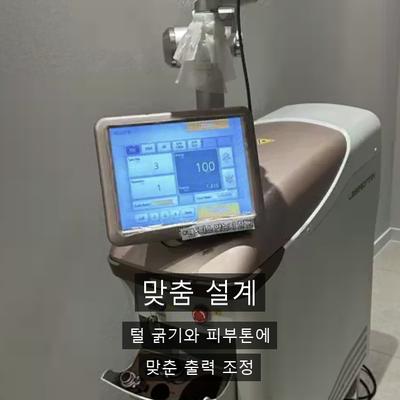
By custom-designing pulse duration and output energy according to hair thickness and skin tone, Kkeut Korean Medicine Clinic focuses on providing suitable care for each individual and reducing any potential discomfort during treatment.
A subtle difference, with a meticulous approach
Related notes
Procedure notes worth reading next.

Loading menu…