

Jaw Acne Solutions: Exploring Its Origins and Successful Therapies Beomgye, Pyeongchon, Beomgye Station, Pyeongchon Station, Hogye-dong, Bisan-dong, Gwanyang-dong, Dongan-gu, Indeogwon, Geumjeong, Anyang
12/10/2025
This is a procedure note for Jaw Acne Solutions: Exploring Its Origins and Successful Therapies at Gyeonggi Anyang Beomgye KKEUT Korean Clinic.
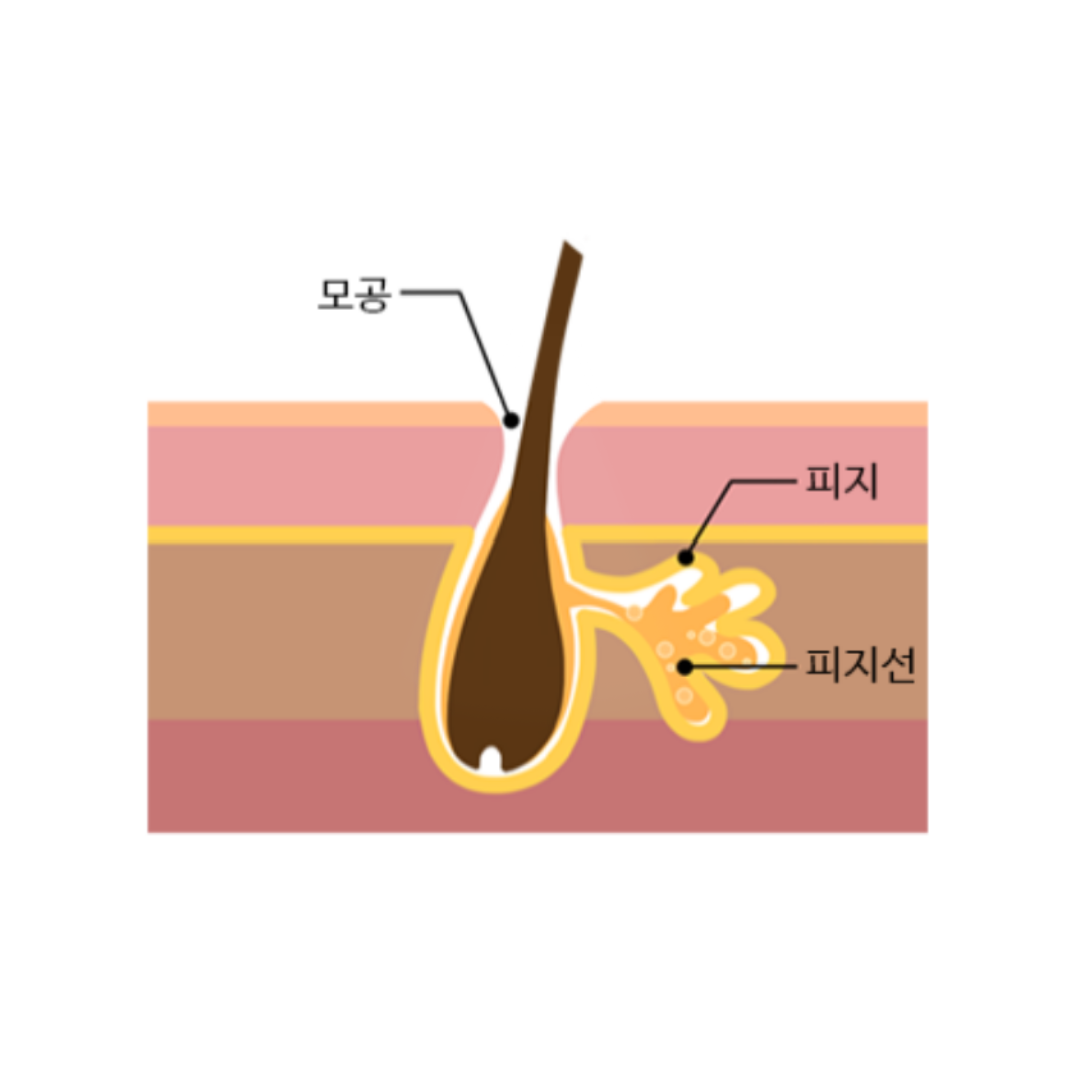
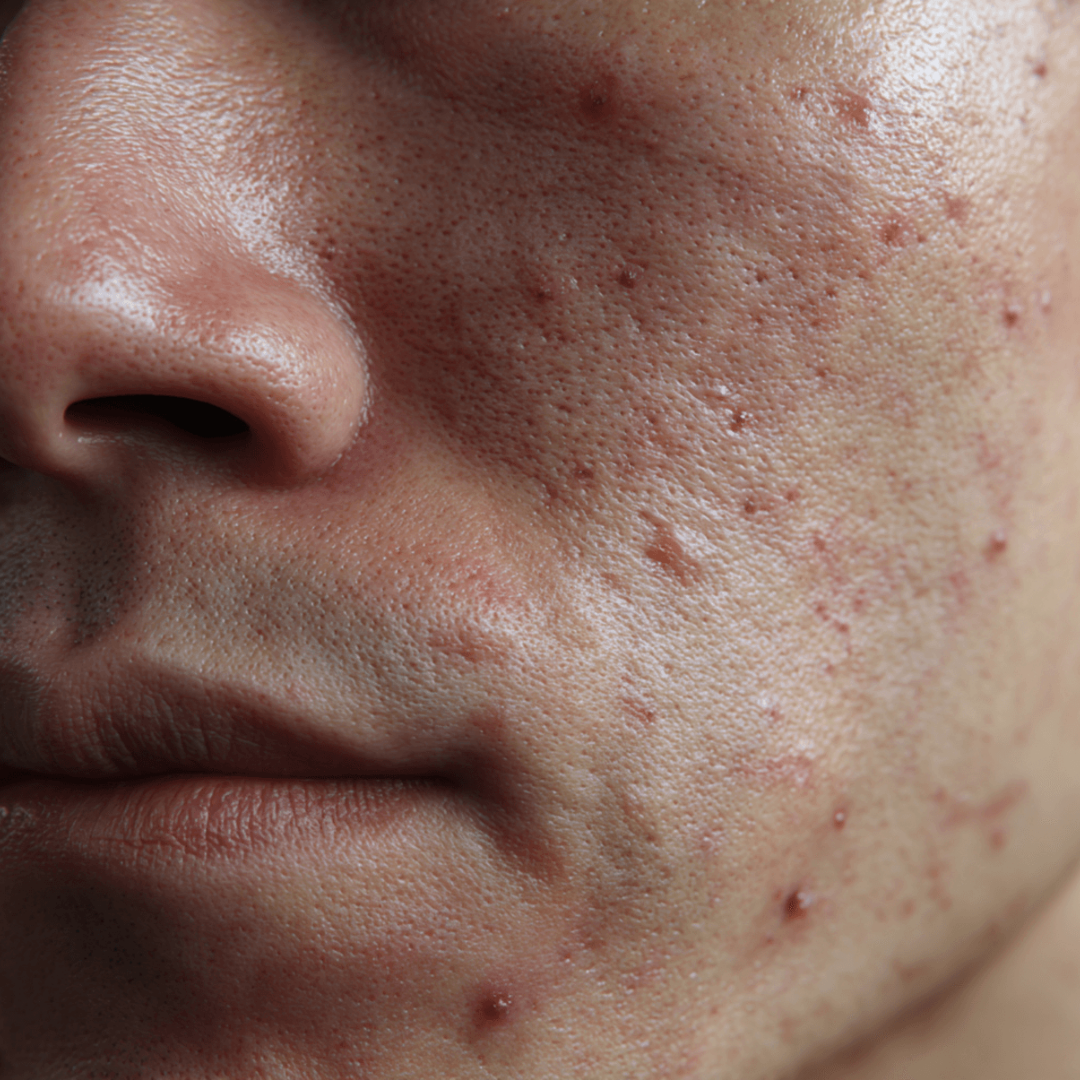
How to address chin acne
begins with determining the current stage of the condition.
Guidelines for managing chin acne and reducing related scars
Chin acne is a frequent concern for many individuals,
yet successful treatment often remains elusive,
as the chin itself provides an environment susceptible to acne formation.
A crucial principle exists for effectively managing this area.
“For chin acne treatment, it is essential to first understand the current stage of your condition.”
When this initial standard is properly established,
it can lead to more efficient care and help minimize the formation of chin acne scars.
Therefore, when considering a clinic for chin area concerns,
choosing a place that precisely identifies the stages of acne becomes a key factor in reducing overall treatment time.
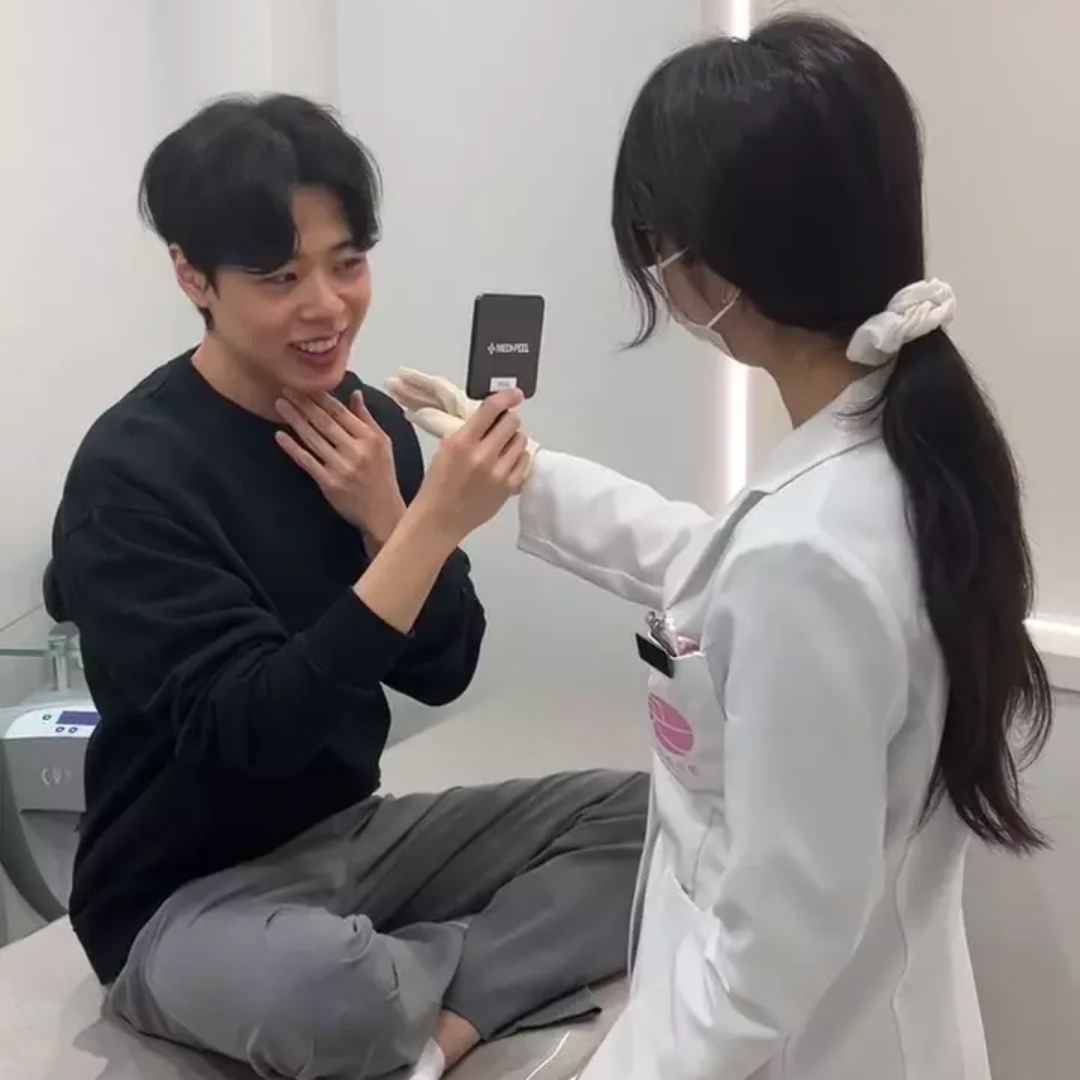
Common Factors Contributing to Chin Acne
The chin stands out on the face as an area where various elements,
such as sebum, friction, hormones, habits, and dead skin cells, concurrently impact the skin.
-Sebum secretion tends to be more active here than in other facial zones
-The area frequently experiences contact from masks and hands
-Speaking involves repeated movements, causing consistent friction
-It directly reflects shifts in hormonal balance
-Though appearing fine, dead skin cells in this region can be quite adherent
When these various contributing factors align,
chin acne may readily emerge and often prove persistent, ultimately
making the development of chin acne scars a common outcome.
To implement effective strategies for addressing chin acne,
comprehending these specific 'area characteristics' is crucial as the initial phase of treatment.
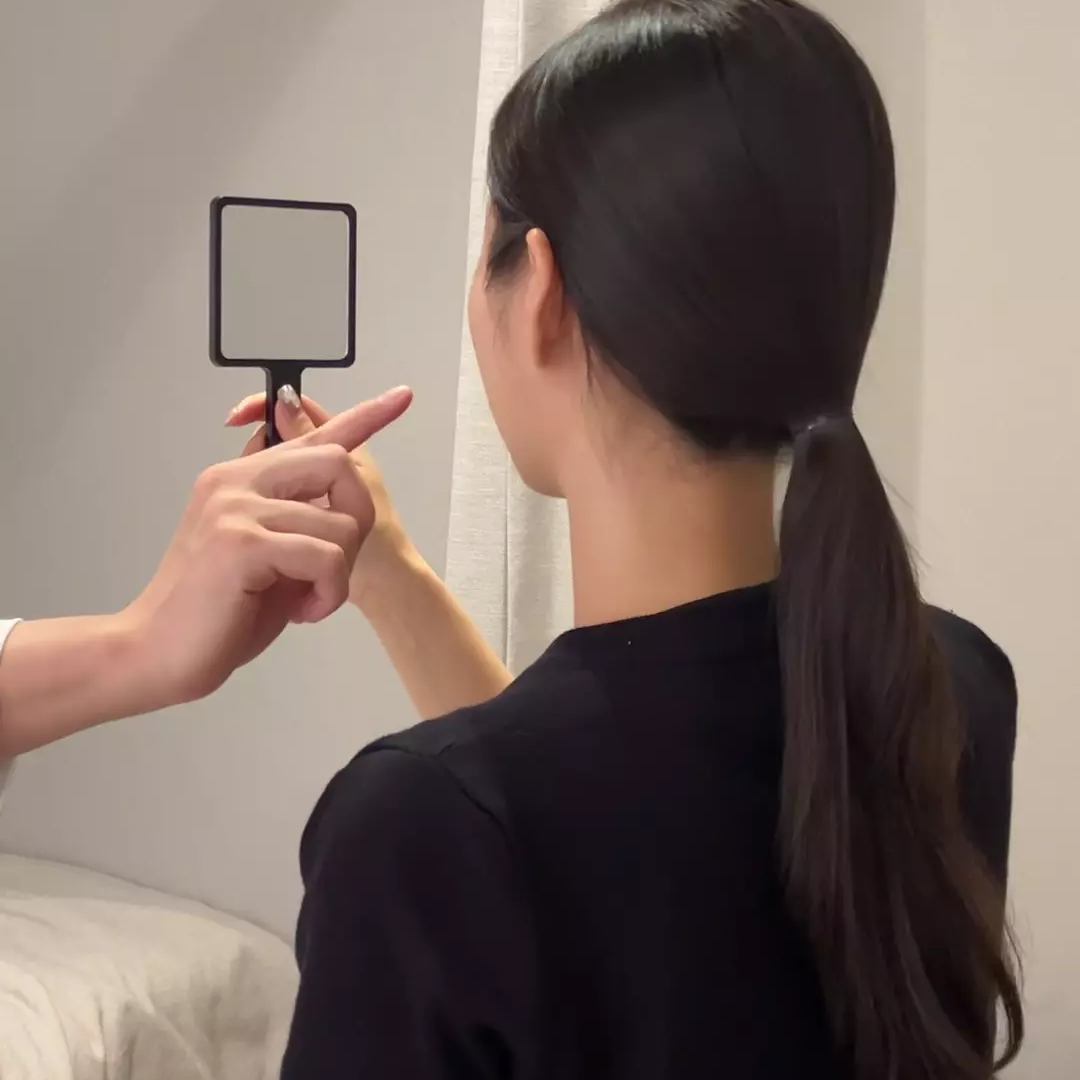
1) Newly Appearing Chin Acne
“Stage Focused on Suppressing Inflammation”
This stage often progresses at a swift pace.
If the acne appears red and tender, or presents as a visible white collection,
it suggests that inflammation has already extended beyond the sebaceous layer, reaching the dermis.
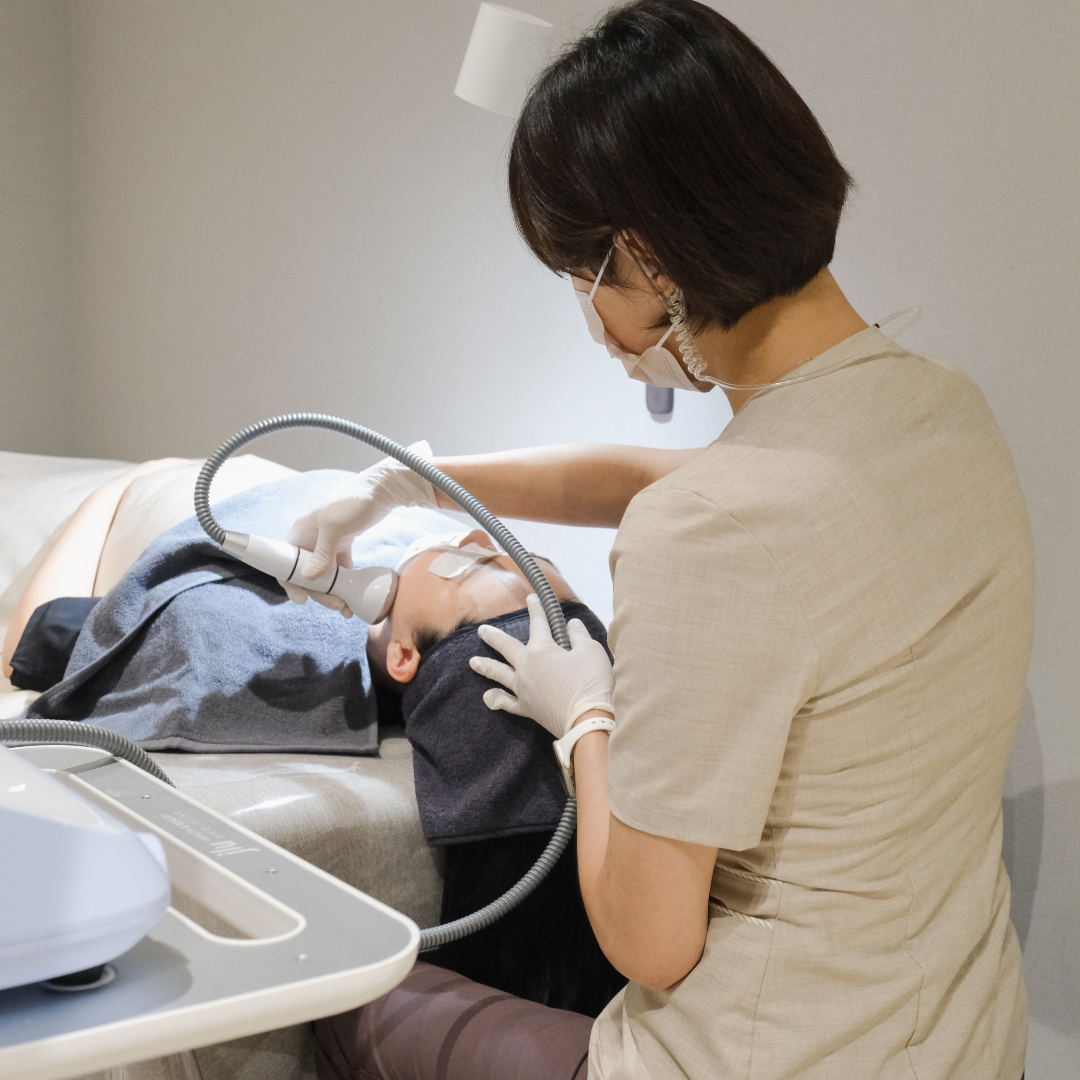
-Aquapeel / Gentle Chemical Peeling
These methods carefully aid in opening clogged pores, which can help prevent acne from worsening.
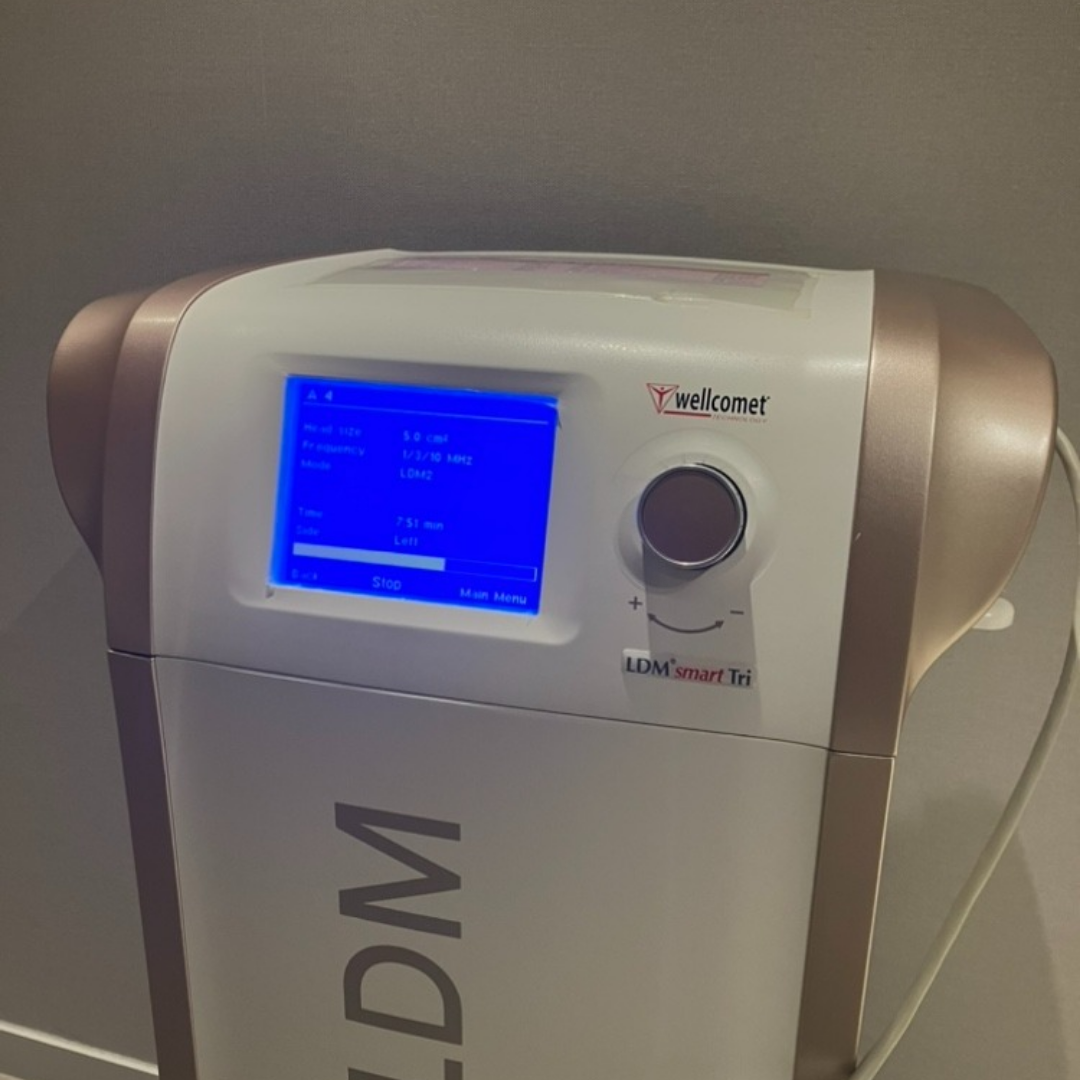
-LDM Ultrasound
This treatment assists in rapidly stabilizing sebum activity, reducing skin heat, and calming redness.
-Local Anti-inflammatory Injection
This treatment may be considered for reducing persistent, painful inflammation located deep within the jawline.
- Agnes
Should sebaceous glands show consistent overactivity, this method aims to carefully modulate sebum production.
The primary objective during the initial phase of care is clear.
“Our aim is for it to resolve, minimizing any lasting marks.”
Timely and precise intervention at this juncture can significantly reduce the likelihood of progression to persistent chin acne scars.
Consequently, medical facilities possessing considerable experience in addressing chin acne
typically differentiate and provide detailed explanations for both the initial active stage and the subsequent scar formation stage.
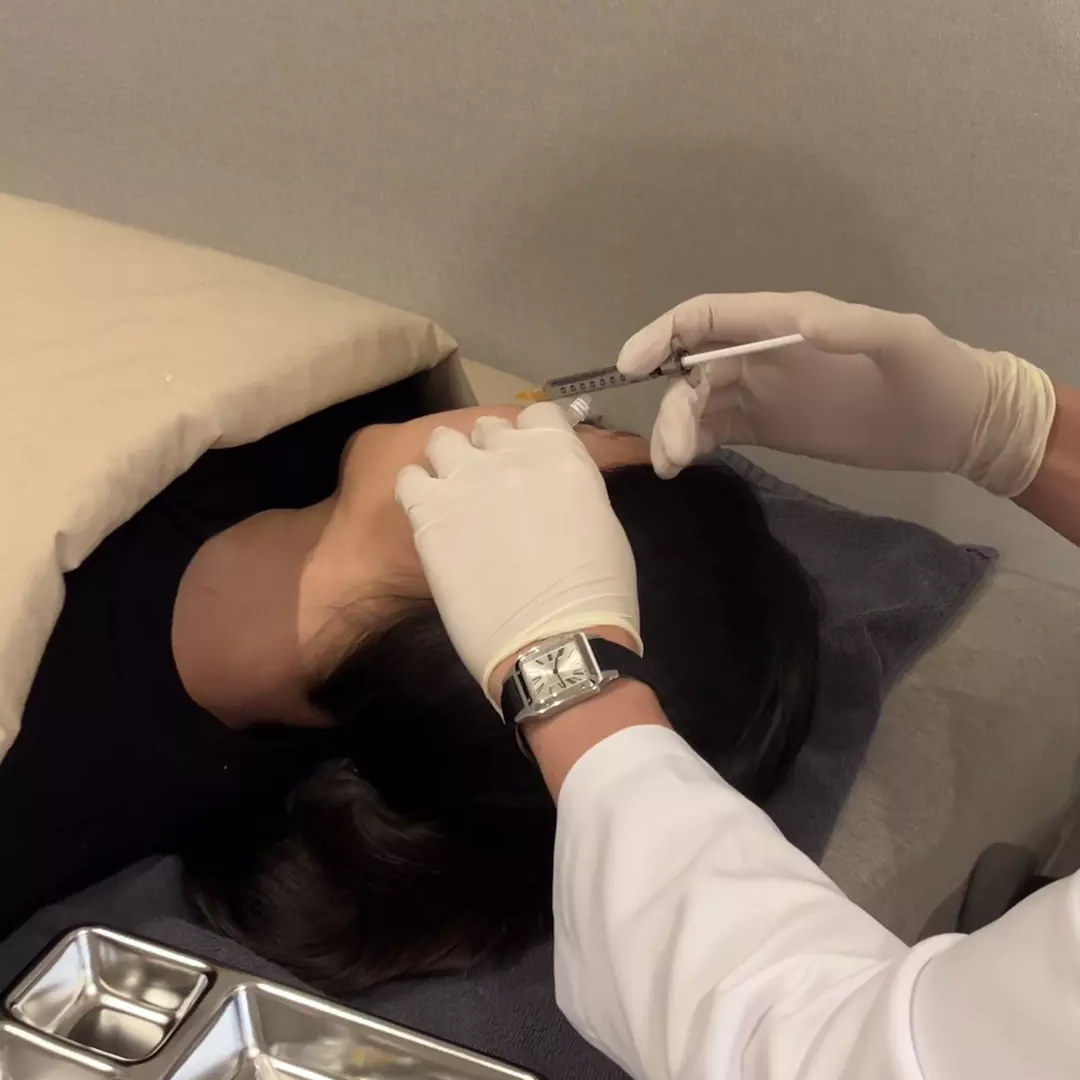
2) The stage characterized by persistent chin acne scars resulting from repeated cycles of inflammation and healing
“A phase focused on addressing residual marks”
When scars are present, it indicates that
damage has occurred not merely on the skin's superficial layer but has extended into the dermis.
Generally, these scars can be categorized into two primary forms:
- Pigmented acne marks
Treatments like pigment toning and PDRN may be considered for these.
- Depressed scars (characterized by uneven texture)
Options include skin regeneration microneedling and specific regeneration lasers.
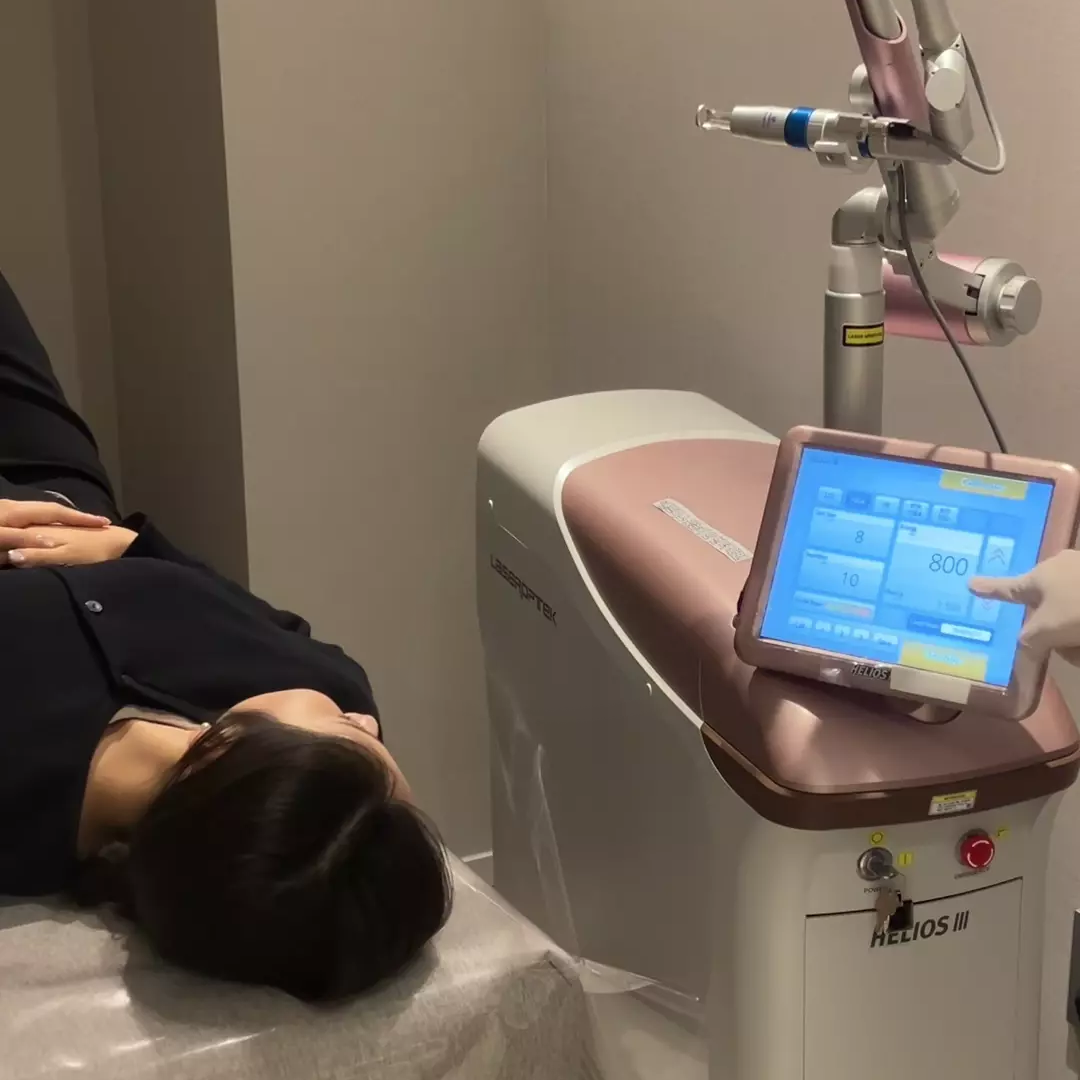
Guidelines for selecting a clinic to optimize treatment efficiency
Chin acne presents distinct characteristics compared to breakouts in other facial regions,
involving an intricate interplay between
the underlying factors precipitating breakouts
and the varied presentations of residual marks that persist.
Therefore, when embarking on a treatment pathway,
selecting a clinic that aligns with the following criteria tends to be the most advantageous approach:
that meets the following criteria:
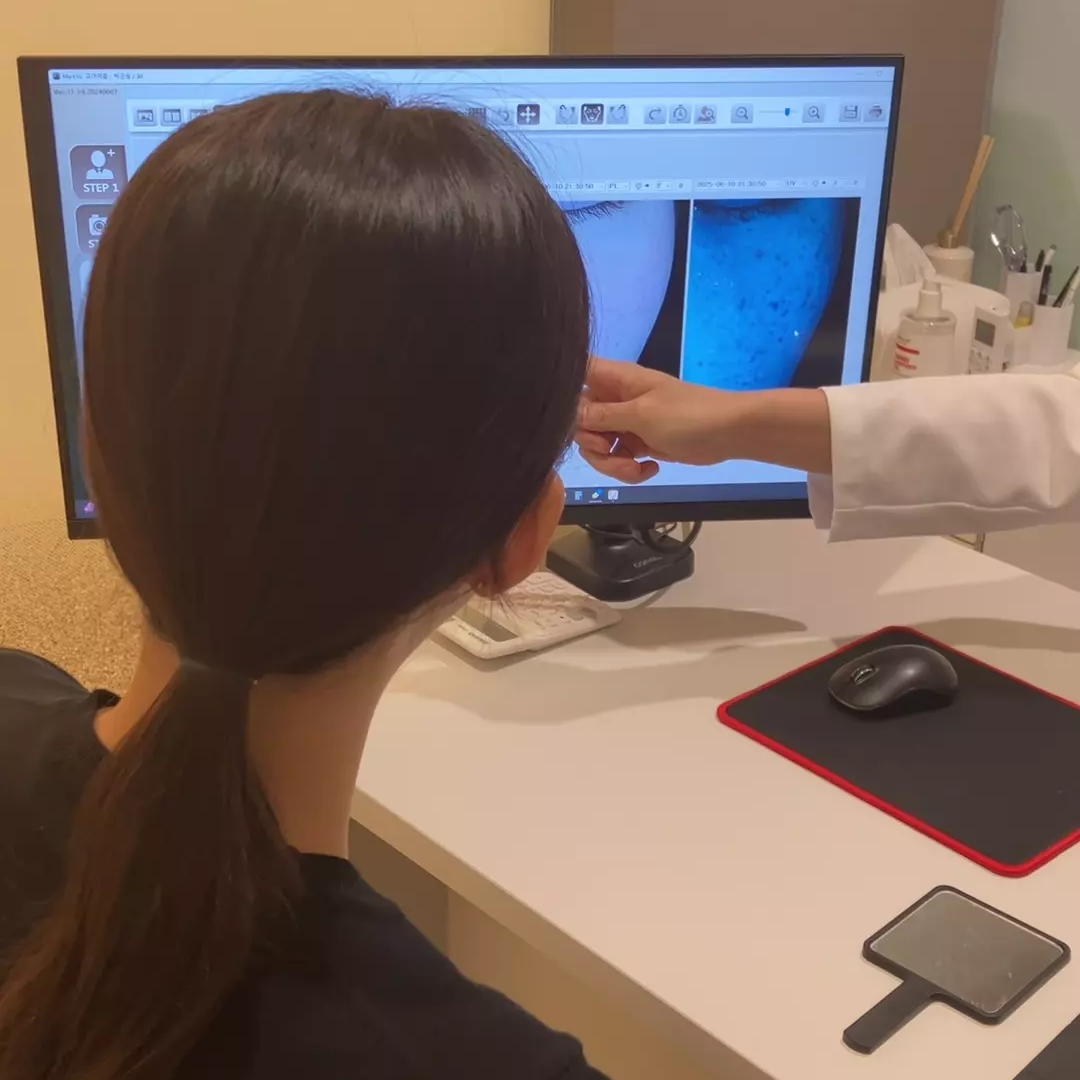
- A clinic capable of precisely distinguishing and diagnosing chin acne
- as belonging to either the active (initial) stage or the post-acne sequelae stage.
- A clinic proficient in comprehending and articulating the intricate relationship between
- sebum production, keratinization processes, inflammatory responses, and subsequent pigmentary alterations
- as components of a continuous pathophysiological progression
- A clinic equipped to manage both treatment pathways concurrently:
- early-stage interventions, including procedures like Aqua Peel, chemical peels, and LDM,
- along with treatments targeting marks, such as Er:YAG lasers and Needle RF.
- A clinic that also assesses lifestyle patterns and friction-related elements
- particularly those pertinent to the chin region,
- to effectively manage and mitigate the recurrence cycle.
By adhering to these outlined criteria,
The overall duration of treatment sessions may be shortened,
and the potential for stubborn, lingering acne marks on the chin
may be considerably diminished.
Summary
Treating chin acne itself is not typically complex,
but more favorable outcomes may be observed sooner
when the specific attributes of the chin region are thoroughly assessed
and the present stage of the condition is precisely identified.
- For acne that has recently appeared
- → Treatment focuses on mitigating inflammation.
- For persistent marks left after recurring or repeated breakouts
- → Treatment aims to rejuvenate the skin's surface and dermal layers.
When selecting a suitable clinic
that clearly elucidates and distinguishes between these two distinct phases,
one can then choose a treatment approach that is
precisely aligned with individual needs and may support a more efficient recovery process.
Recommended treatments
Treatments that work especially well together.
![Secret RF Laser [For Pores, Acne Scars, & Fine Lines]](/_next/image?url=https%3A%2F%2Ffirebasestorage.googleapis.com%2Fv0%2Fb%2Fkkeutguro-7e583.firebasestorage.app%2Fo%2Fproducts%252Fguro%252Fko%252F1758778761827_e048b9d7-2ada-4174-97f4-5d65ddb58fbb_1755501656271_54fcb9f0-30f4-4257-a9fe-eb5f2685e052_001-ezgif.com-png-to-webp-converter.webp%3Falt%3Dmedia%26token%3D5f6f4508-34e9-4904-a1af-e43e6fa630fe&w=3840&q=75)
Secret RF Laser [For Pores, Acne Scars, & Fine Lines]
View details →![Scar Regeneration Acupuncture (Saesalchim) [to fill depressed scars]](/_next/image?url=https%3A%2F%2Ffirebasestorage.googleapis.com%2Fv0%2Fb%2Fkkeutguro-7e583.firebasestorage.app%2Fo%2Fproducts%252Fguro%252Fko%252F1758780595982_6cf2ce6e-d39e-446a-a07a-1981407b450d_1756118652644_5b3ad67c-bc23-4d50-8922-79072c5dfcc3_002-ezgif.com-png-to-webp-converter.webp%3Falt%3Dmedia%26token%3Dda53ede2-ee0b-4922-8e60-105e2fa21047&w=3840&q=75)
Scar Regeneration Acupuncture (Saesalchim) [to fill depressed scars]
View details →
New Skin Laser for Raised Hypertrophic Scars (Post-Burn, Surgery, Acne)
View details →![[Acne] Ethosome Gold PTT](/_next/image?url=https%3A%2F%2Ffirebasestorage.googleapis.com%2Fv0%2Fb%2Fkkeutguro-7e583.firebasestorage.app%2Fo%2Fproducts%252Fguro%252Fko%252F1758871174984_869efd94-8dba-42ff-b044-ffe4c6435412_1756118749918_00b3c9f0-30b5-4280-957e-09c873f14e61_009-ezgif.com-png-to-webp-converter.webp%3Falt%3Dmedia%26token%3D6b01327a-ebed-4374-88fa-73bdb9959fb2&w=3840&q=75)
[Acne] Ethosome Gold PTT
View details →![[Faster Recovery] Erbium Fraxel](/_next/image?url=https%3A%2F%2Ffirebasestorage.googleapis.com%2Fv0%2Fb%2Fkkeutguro-7e583.firebasestorage.app%2Fo%2Fproducts%252Fguro%252Fko%252F1758874250246_6a5ed4db-1c3b-45a3-880b-190be6781ccf_qrwrqr.webp%3Falt%3Dmedia%26token%3D61382c2f-1547-4902-8206-5419bfdfb3e8&w=3840&q=75)
[Faster Recovery] Erbium Fraxel
View details →![Acne Herbal Medicine [Reduces Inflammation and Soothes Redness]](/_next/image?url=https%3A%2F%2Ffirebasestorage.googleapis.com%2Fv0%2Fb%2Fkkeutguro-7e583.firebasestorage.app%2Fo%2Fproducts%252Fguro%252Fko%252F1761818471053_60d91311-3f61-4745-a011-1c71eaa8e3e2__-0021-ezgif.com-png-to-webp-converter.webp%3Falt%3Dmedia%26token%3Dbccaccae-2340-4a82-8f19-f5ca786cc370&w=3840&q=75)
Acne Herbal Medicine [Reduces Inflammation and Soothes Redness]
View details →Related notes
Procedure notes worth reading next.


Loading menu…