

Melasma Treatment, How Laser Toning Works and Who It's For Beomgye, Pyeongchon, Beomgye Station, Pyeongchon Station, Hogye-dong, Bisan-dong, Gwanyang-dong, Dongan-gu, Indeogwon, Geumjeong, Anyang
6/25/2026
This is a procedure note for Melasma Treatment, How Laser Toning Works and Who It's For at Gyeonggi Anyang Beomgye KKEUT Korean Clinic.
Melasma Treatment, Laser Toning: Principles of Action and Recommended Candidates
For those considering melasma treatment, the most commonly encountered procedure name is 'Laser Toning'.
However, many people undergo laser toning without fully understanding why it's effective for melasma, how it works, or if they are truly suitable candidates.
This article provides a data-driven overview of laser toning, covering its mechanism, indications, number of sessions and cycles, post-treatment care, and common misconceptions.
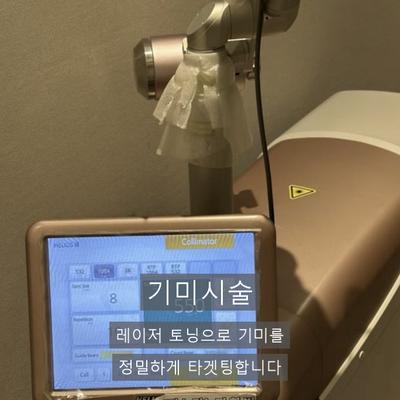
Principles of Laser Toning
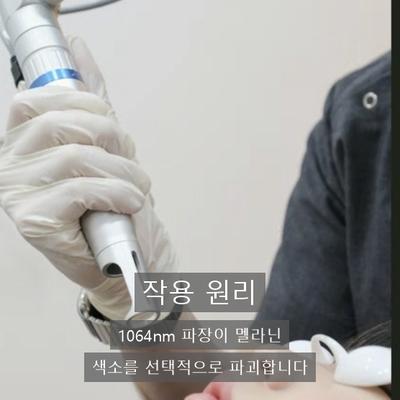
Laser toning works by irradiating the skin with a 1064nm wavelength laser, selectively fragmenting melanin pigments.
The 1064nm wavelength has a high absorption rate for melanin pigment, allowing for targeted treatment of pigment cells. By delivering energy in an extremely short duration using Q-switched (nanosecond) or picosecond methods, it selectively destroys melanin particles while minimizing thermal damage to surrounding healthy tissue.
The essence of melasma is a state where melanocytes, the cells that produce melanin pigment, overreact to stimuli such as UV radiation, hormones, and inflammation, leading to excessive melanin production.
Laser toning acts in two ways. First, it finely fragments already accumulated melanin particles, prompting immune cells to expel them from the body. Second, it calms overactive melanocytes, suppressing the rate of melanin regeneration itself. Both these actions must work together to maintain the effectiveness of melasma treatment.
Recommended Candidates for Melasma Treatment — 3 Types
Laser toning is effective for individuals who fall into the following three categories:
The first type is widespread brown melasma on both cheeks, forehead, and around the nose. Laser toning is the most suitable approach for epidermal melasma with ill-defined borders and a large surface area, as it is a treatment method suitable for widespread pigment distribution rather than localized lesions.
The second type is when pigmentation has darkened after UV exposure or hormonal changes. If melanocytes are overactive due to pregnancy, contraceptive use, or prolonged UV exposure, toning methods that suppress this activity will work appropriately for the cause.
The third type is when blemishes and hyperpigmentation are scattered across the entire skin. Toning can also be applied for widespread skin tone homogenization and is effective for those seeking overall skin brightening.

In contrast, for lesions with clear borders and localized pigment concentration, such as moles or lentigines, a 532nm wavelength laser or an Er:YAG laser method works more precisely. Although melasma and lentigines may appear similar to the naked eye, the depth and wavelength required for treatment differ. Therefore, choosing a procedure without an accurate differential diagnosis makes it difficult to achieve desired results.
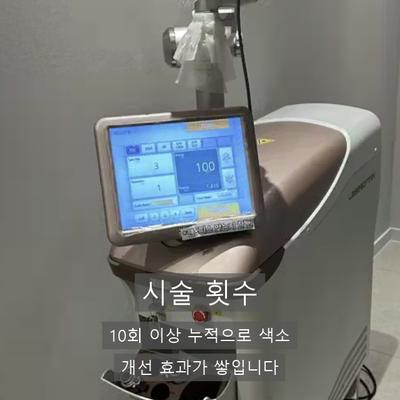
Number of Sessions and Cycle — Why Accumulation is Necessary
Laser toning is not a procedure where melasma disappears after a single session.
Melanin pigment is distributed throughout all epidermal layers of the skin, and the hypersensitive state of melanocytes does not normalize instantly. For clinically significant pigment improvement, a cumulative minimum of 10 sessions is recommended. In the initial sessions, superficial pigmentation first lightens, and as more sessions accumulate, pigmentation distributed deeper in the dermis gradually improves.
A treatment cycle of 1-2 week intervals is recommended. Considering the skin's regeneration cycle and melanin expulsion rate, excessively short intervals risk cumulative irritation, while excessively long intervals break the treatment momentum.
Post-treatment UV protection is as important as the procedure itself. UV radiation is the most potent factor that re-stimulates melanocytes and promotes melanin production again. The treatment effect will not be maintained if SPF50+ sunscreen or higher is not applied daily without fail. Melasma treatment is not completed solely within the treatment room.
Pain is typically a mild stinging sensation, and most patients can undergo the procedure without anesthesia. Temporary redness may occur immediately after treatment but subsides within a few hours. There is virtually no downtime, and patients can return to daily activities on the same day as the procedure.
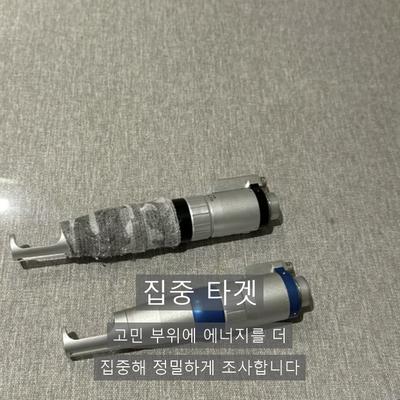
Kkeut Clinic's Differentiated Operating Principles for Melasma Treatment
With laser toning, the operating method determines the results more than the equipment specifications. Even with the same wavelength and equipment, the patient's perceived rate of improvement and the quality of results vary depending on the number of shots, energy levels, and focused area settings.
Kkeut Clinic operates on three principles for melasma treatment: ensuring sufficient shot count, targeted treatment of problem areas, and gradual increase of energy in each session — these three principles are central to Kkeut Clinic's melasma treatment.
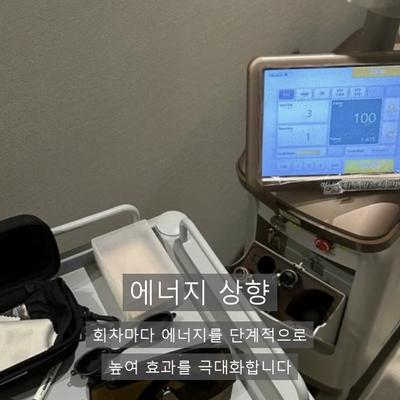
Frequently Asked Questions
Q. Will melasma completely disappear after laser toning treatment?
A. The goal of melasma treatment is 'reduction of pigment concentration and suppression of recurrence' rather than 'complete removal.' Epidermal melasma noticeably lightens with cumulative treatments, but dermal or mixed-type melasma shows individual differences in the degree of improvement. At Kkeut Clinic, we differentiate the type of melasma during the initial consultation and guide you on the realistic range of improvement.
Q. How often should I receive melasma laser toning treatment?
A. The general recommended interval for melasma treatment is 1-2 weeks. At Kkeut Clinic, we gradually adjust the energy level in each session while monitoring the skin's condition. We start with low energy to check the skin's reaction and then progressively increase it in subsequent sessions to ensure both safety and effectiveness.
Q. Why is sun protection so strongly emphasized during melasma treatment?
A. UV radiation directly stimulates melanocytes, promoting melanin production again. Even if pigmentation is reduced through melasma treatment, if sun protection is insufficient, pigment will quickly re-deposit. Sun protection is the most crucial post-treatment care for maintaining the treatment's effectiveness.
Q. Is it true that the skin can sometimes darken after melasma toning treatment?
A. Reactive hyperpigmentation can occur with excessive energy irradiation or re-stimulation before the skin has fully recovered. Kkeut Clinic structurally minimizes this risk by gradually adjusting the energy level in each session.
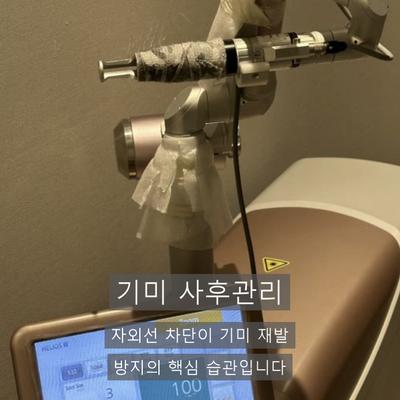
Kkeut Clinic's Sincere Approach
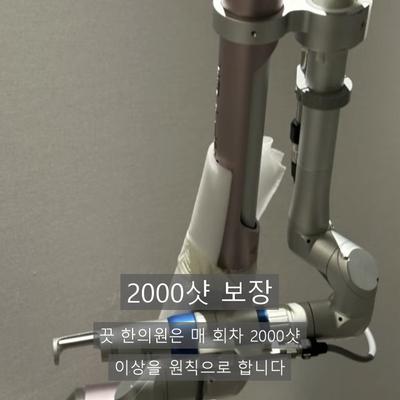
Kkeut Clinic guarantees over 2000 shots per session, and after the treatment, patients can directly verify the shot count with the director. The effectiveness of melasma treatment begins with sufficient quantitative irradiation, and we operate with a transparent structure where patients can directly confirm these figures.
Kkeut Clinic specifically targets problem areas. We don't just evenly irradiate the entire surface; we also focus intensive irradiation on areas with darker pigmentation or slower improvement, thereby enhancing the overall speed and uniformity of improvement.
Kkeut Clinic does not fix the energy level for each session; instead, we gradually adjust it upwards while monitoring the skin's reaction. By acclimating the skin with low energy initially and then progressively increasing it to an effective range, we safely improve melasma without reactive hyperpigmentation.
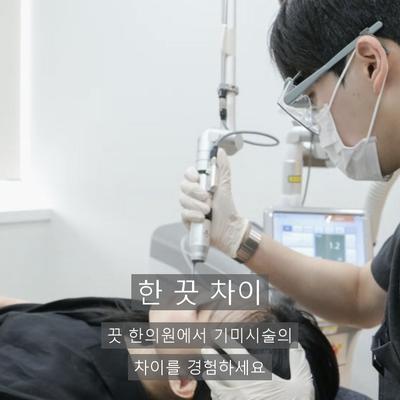
A subtle difference, a significant result — experience it at Kkeut Clinic.
Related notes
Procedure notes worth reading next.

3 Criteria to Consider When Choosing a Clinic for Melasma Treatment
2026. 10. 5.

Criteria for Choosing a Melasma Treatment Clinic: Accurate Diagnosis, Customized Treatment Plan, Thorough Aftercare
2026. 10. 9.

Melasma Always Comes Back? The Solution to Persistent Recurrence is 'Laser Treatment'.
2025. 11. 28.
Loading menu…