

Managing Pores on the Nose and Butterfly Zone: Essential Differentiated Treatment. Beomgye, Pyeongchon, Beomgye Station, Pyeongchon Station, Hogye-dong, Bisan-dong, Gwanyang-dong, Dongan-gu, Indeogwon, Geumjeong, Anyang
12/10/2025
This is a procedure note for Managing Pores on the Nose and Butterfly Zone: Essential Differentiated Treatment. at Gyeonggi Anyang Beomgye KKEUT Korean Clinic.
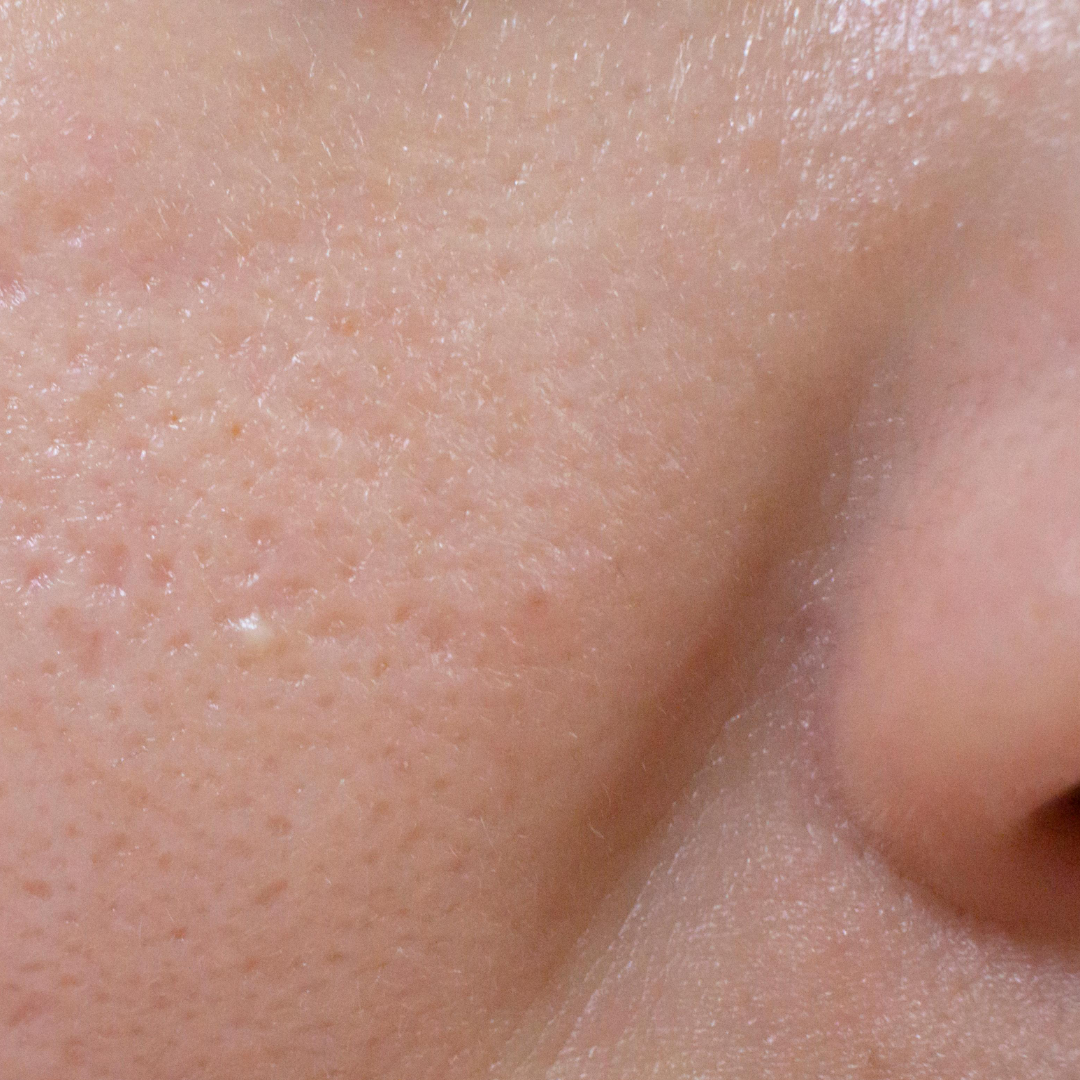
Managing Pores on the Nose and Butterfly Zone
Pore management involves distinct approaches.
One focuses on preventing pores from expanding,
while the other addresses pores that have already become enlarged.
The nose area and the adjacent butterfly zone (the cheeks near the nose)
are facial regions where even slight alterations
can noticeably influence one's overall facial appearance.
Pores in these specific areas tend to be more prominent,
and this is often more complex than just increased sebum production.
Instead, it often stems from a combination of the skin's inherent physiological traits and external environmental influences.
Effective pore management requires
a crucial first step:
accurately determining whether the pores are presently expanding
or if they have already reached an enlarged state.
Treating both situations identically
can reduce the treatment's effectiveness
and shorten the duration of any improvements.
Therefore,
care for nose and butterfly zone pores
is best approached
by categorizing it into two distinct types:
preventive strategies,
and treatments for pores that have already experienced structural changes.
Understanding the Prominence of Pores in the Nose and Butterfly Zone
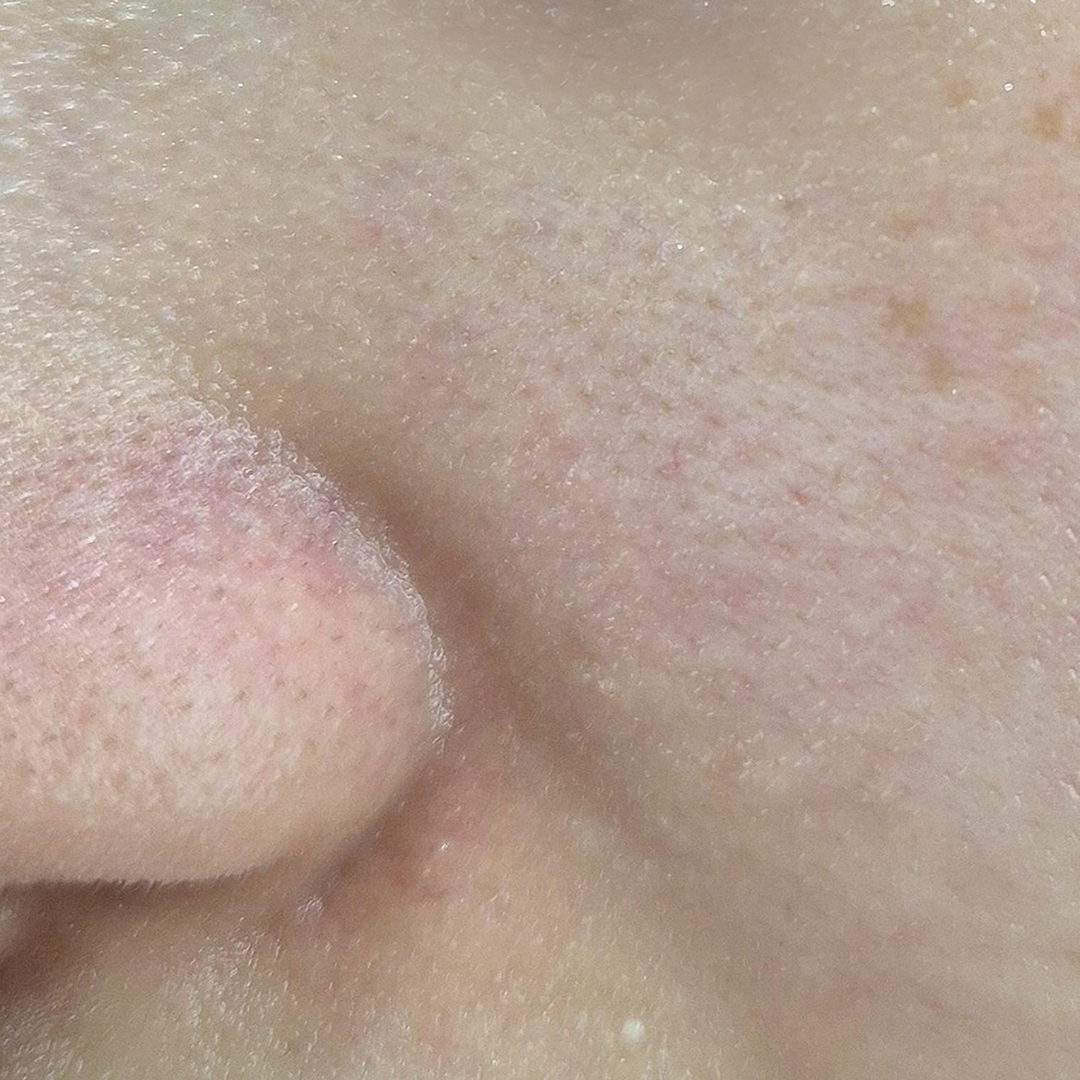
The sebaceous glands in these areas are highly active.
However, sebum production is merely one contributing factor.
The distinctive enlargement of pores on the nose and butterfly zone typically arises
when the following elements collectively play a role:
- Keratin, or dead skin cells, tends to accumulate readily.
- The unique anatomical curves of these regions can cast noticeable shadows.
- As sebum oxidizes and darkens, pores may seem deeper than their actual depth.
- Reduced elasticity in the dermis can lead to laxity in the pore walls.
- Recurring blackheads and whiteheads can gradually reshape the pores.
Thus, when considering pore management,
more satisfying outcomes are generally observed when
factors such as sebum, keratinization, skin elasticity, and any inflammation
are addressed comprehensively.
Differentiating Pore Management into Two Pathways
Effective care for pores in the nose and butterfly zone
first requires a clear distinction regarding whether
when pores start to enlarge
or are already visibly enlarged.

1) Initial Stage of Pore Enlargement
Managing the Root Causes of Pore Widening
In this initial phase, attention is directed towards
calming issues like blockages, excess keratin, inflammation, and irregular sebum production.
Since the pore walls have not yet suffered significant structural changes,
meaningful improvements may be seen with proper care in this stage.
Peeling Treatments
Areas like the nose and butterfly zone
often accumulate dead skin cells that cling tightly,
making it difficult for sebum to exit the pores.
Peeling can help resolve this initial barrier issue,
potentially slowing down or preventing further pore expansion.
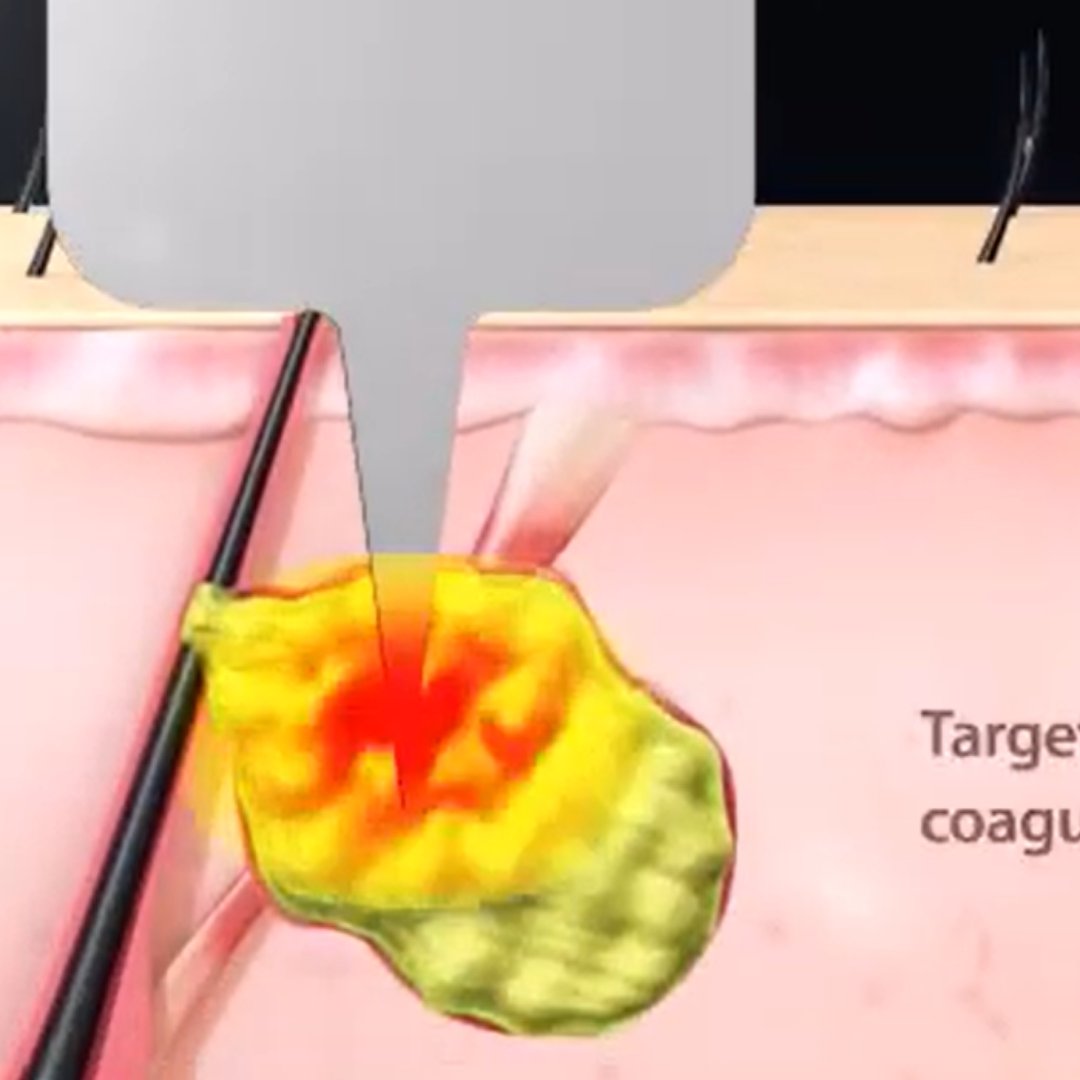
PTT · Agnes Procedures
When sebaceous glands are excessively active, they can frequently lead to clogged pores
even from minor irritations.
If sebaceous gland function is carefully regulated during this period,
the buildup of blackheads may be reduced,
and the progression of pore enlargement can be mitigated.
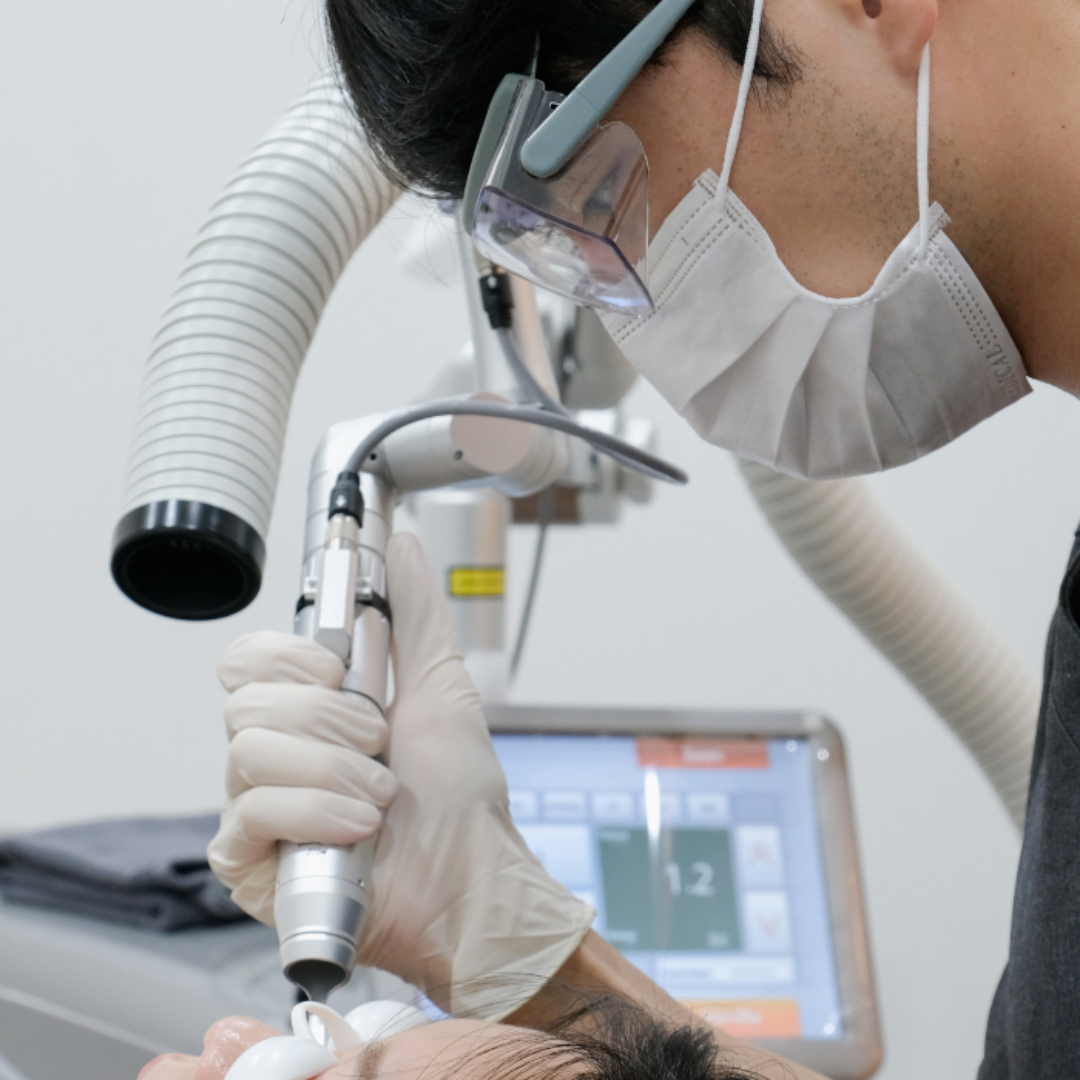
Gentle Er:YAG Fraxel Treatment
When the skin's surface texture is only slightly uneven in its initial phase,
a mild Er:YAG laser treatment can be applied to gently refine the skin's texture first,
This approach may notably diminish the visual effect of shadows
which can make pores seem more pronounced or deeper.
2) Established Pore Enlargement – Restoring Pore Wall Structure
At this more advanced stage,
relying solely on daily care may not yield significant improvement.
This is because the pore walls have typically lost some elasticity
and the overall pore structure has undergone noticeable alteration.
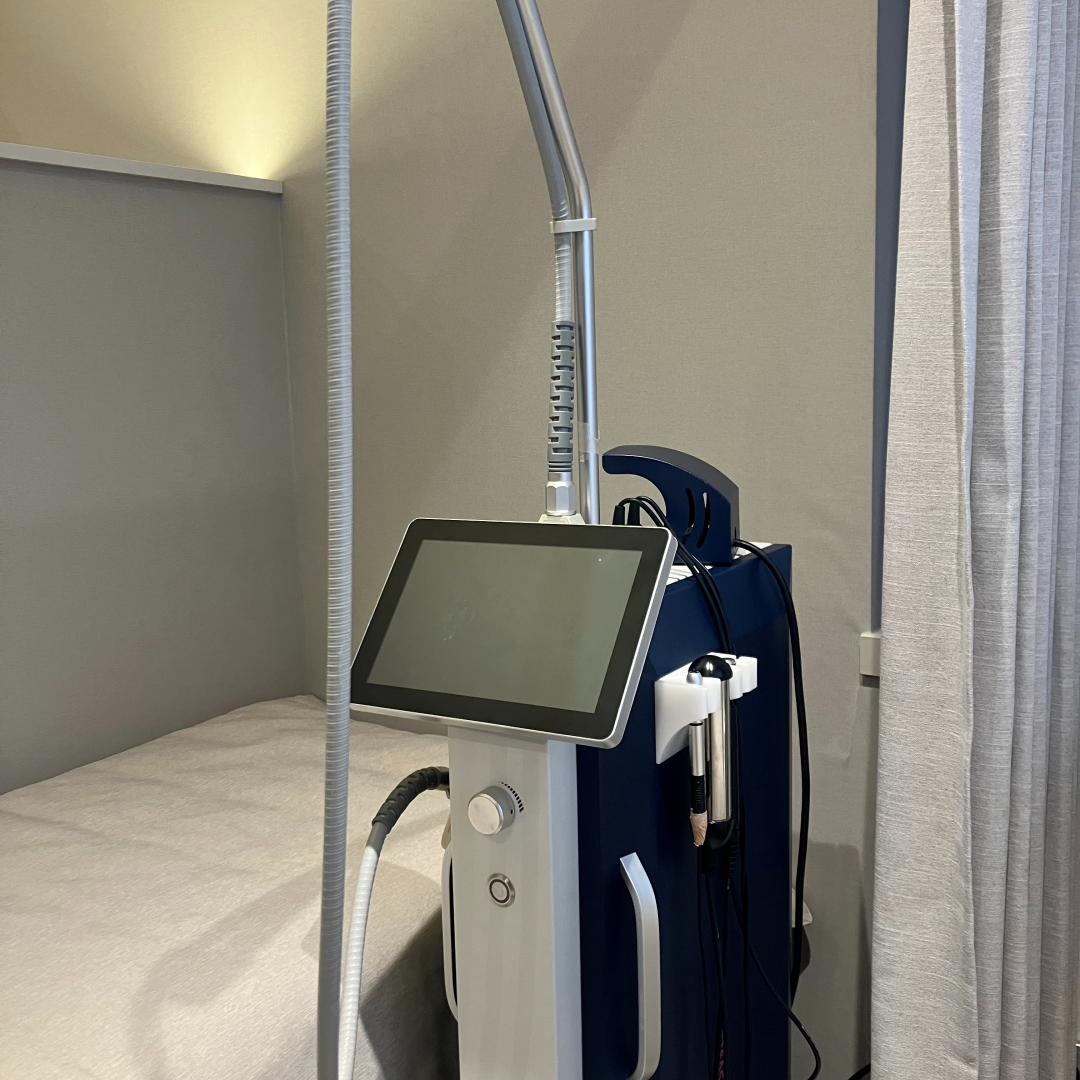
a more comprehensive treatment strategy is often needed, targeting both the skin's surface and deeper dermal layers.
Er:YAG Fraxel Laser
This approach can be highly beneficial for
refining uneven skin texture and addressing coarse pore openings.
It offers customizable depth adjustments,
making it suitable even for regions with thicker skin, like the nose.
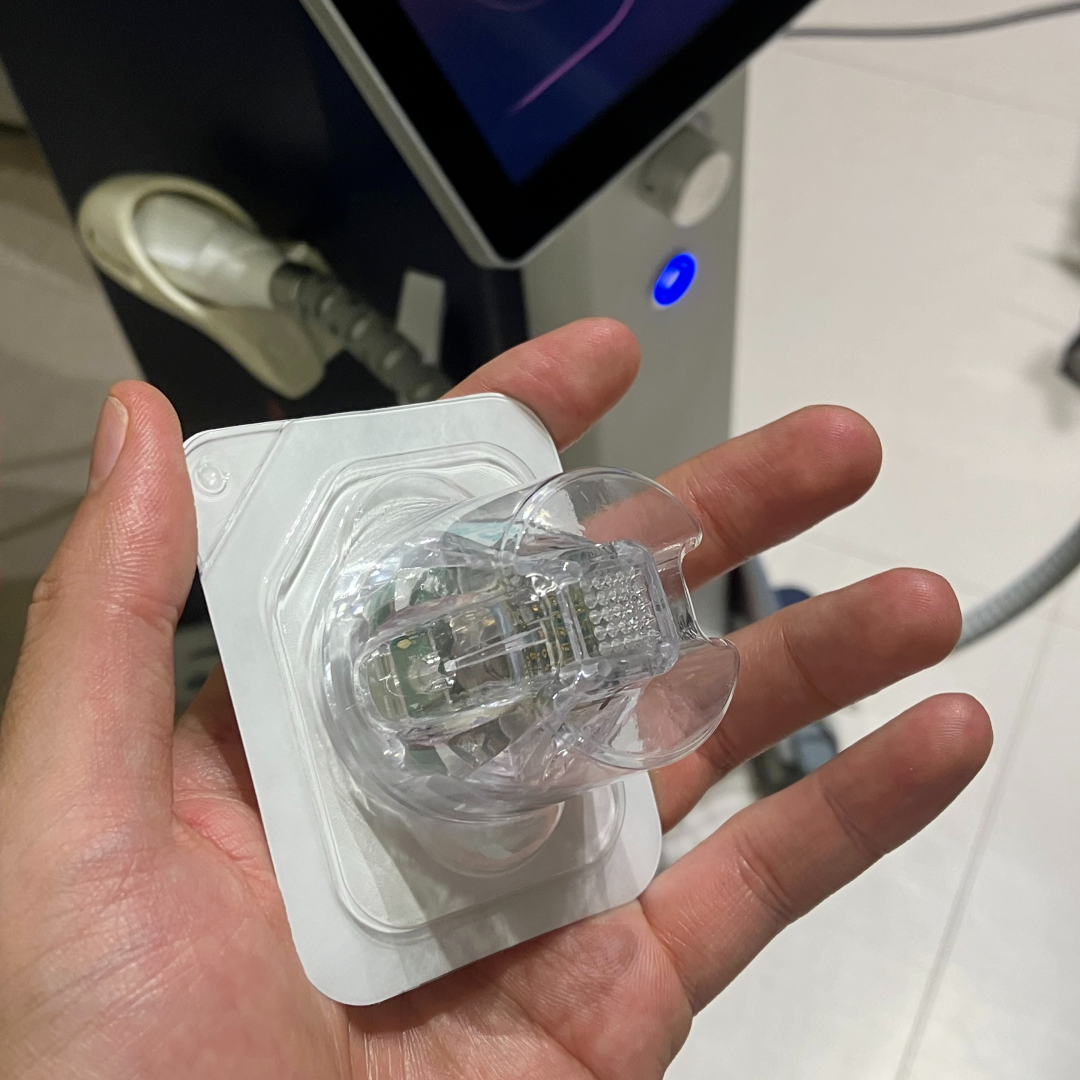
Microneedle RF (Secret RF)
Pores that appear more deeply set frequently stem
from reduced elasticity within the dermal layer.
니들 RF는 콜라겐을 직접적으로 자극합니다.
특히 모공 벽 아래쪽에 작용하게 됩니다.
이를 통해 모공이 내부에서부터 바깥으로 탄력 있게 수축되는 결과가 기대될 수 있습니다.
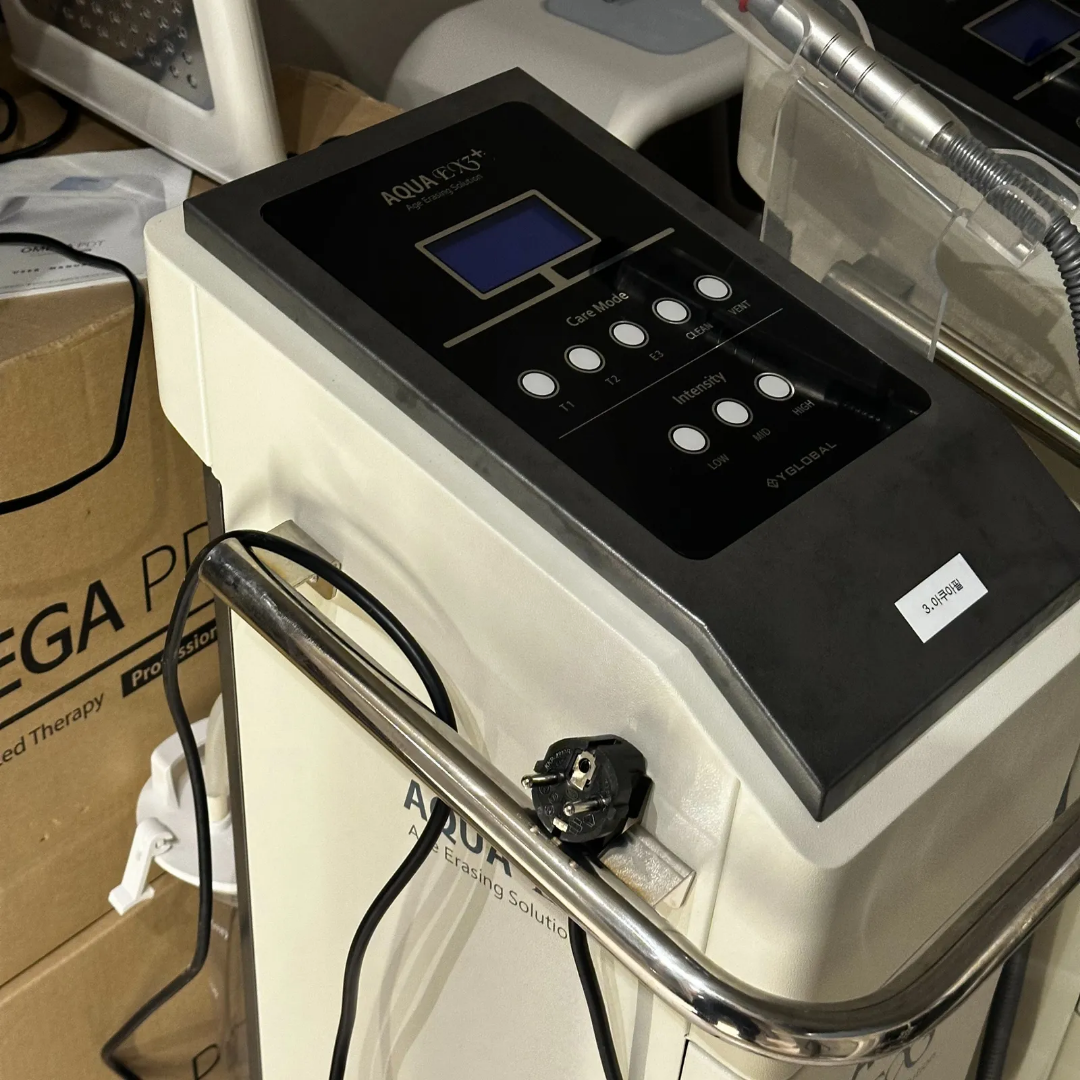
LDM 회복 관리
진피층을 자극하는 시술을 받은 후에는,
LDM 회복 관리가 불편감을 줄이는 데 도움을 줄 수 있습니다.
이는 열감이나 붉은 기를 신속히 안정화시키는 데 기대됩니다.
이를 통해 원활한 회복 과정을 지원하는 역할을 합니다.
코 모공과 나비존 모공 관리를 위한 병원 선택 기준
효율적으로 시간을 사용하면서도 개선 효과를 기대할 수 있는 기준은 다음과 같습니다.
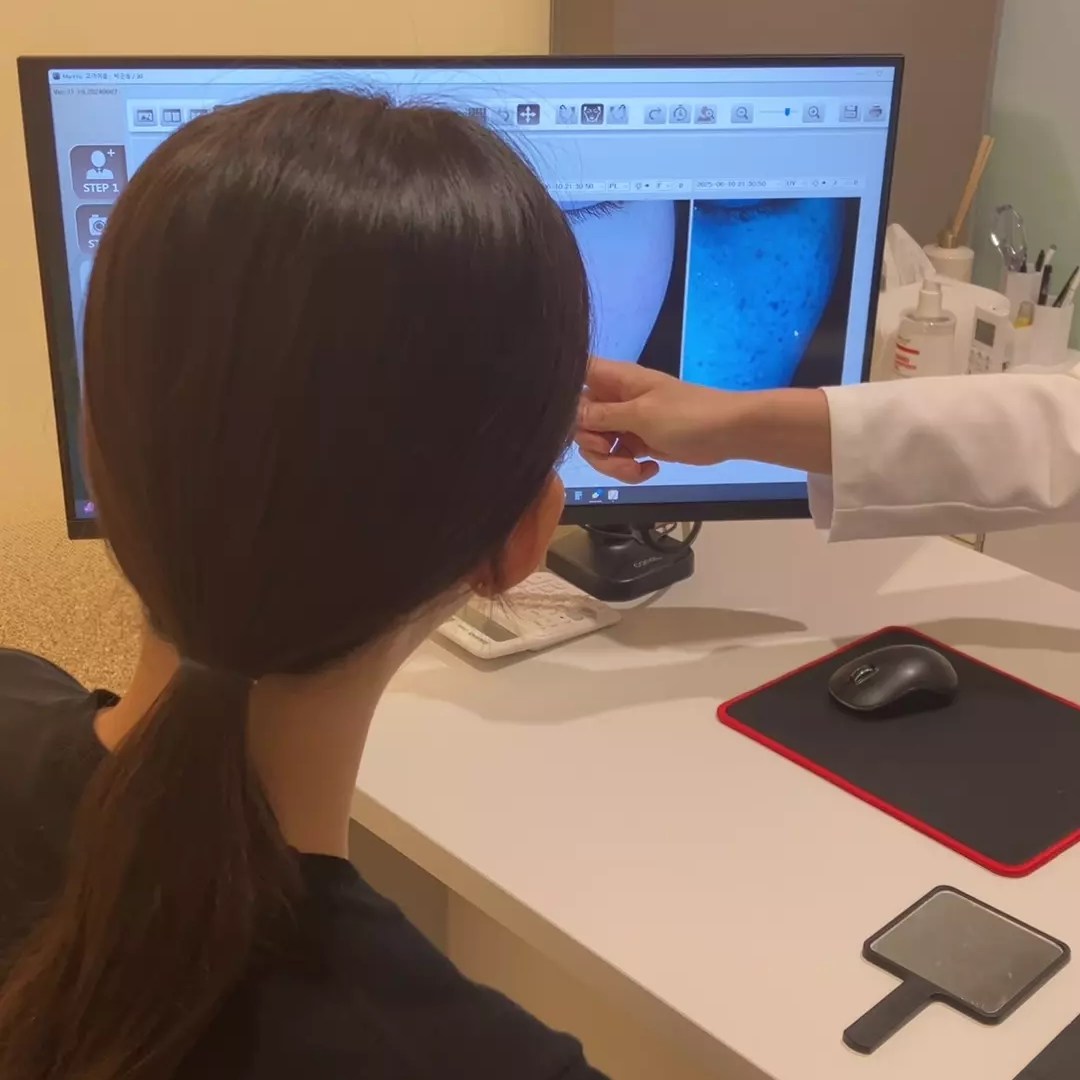
- 코와 나비존 모공을 ‘막힌 모공’과 ‘넓어진 모공’ 단계로 명확히 구분하여 설명해주는 곳.-
초기 관리와 모공 벽 치료가 모두 가능한 곳이어야 합니다. 이러한 조건이 충족된다면,
모공이 더 빠른 시간 내에 정돈되고, 그 결과가 오래 유지될 가능성이 높아질 수 있습니다.
결론
모공 관리의 결과는 시술을 언제 시작하는지에 따라 달라질 수 있습니다.
코 모공 치료 및 나비존 모공 관리는
모공의 절대적인 크기만을 고려하는 것이 아니라,
먼저 현재 모공이 어느 단계에 속하는지 파악하는 것이 중요합니다.
- 만약 모공이 점차 넓어지는 중이라면
- → 필링 · 피지 조절 · LDM · 라이트 Er:YAG 시술 등을 고려해 볼 수 있습니다.
- 이미 모공이 확대된 상태라면
- → Er:YAG 프락셀 · 니들 RF · LDM 회복 관리가 적합할 수 있습니다.
이 두 가지 경로를 명확히 구분하여 적용할 때,
모공이 더욱 깊어 보이는 현상, 피부 톤의 불균일함,
그리고 뚜렷한 표면 요철과 같은 문제들이
훨씬 더 짧은 기간 안에 개선될 가능성이 있습니다.
그리고 치료가 병원에서 시작될 때,
이러한 원칙에 따라 진단과 관리 계획을 수립하는 곳이라면,
불필요한 절차 없이도 명확한 결과를 얻을 수 있을 것으로 기대됩니다.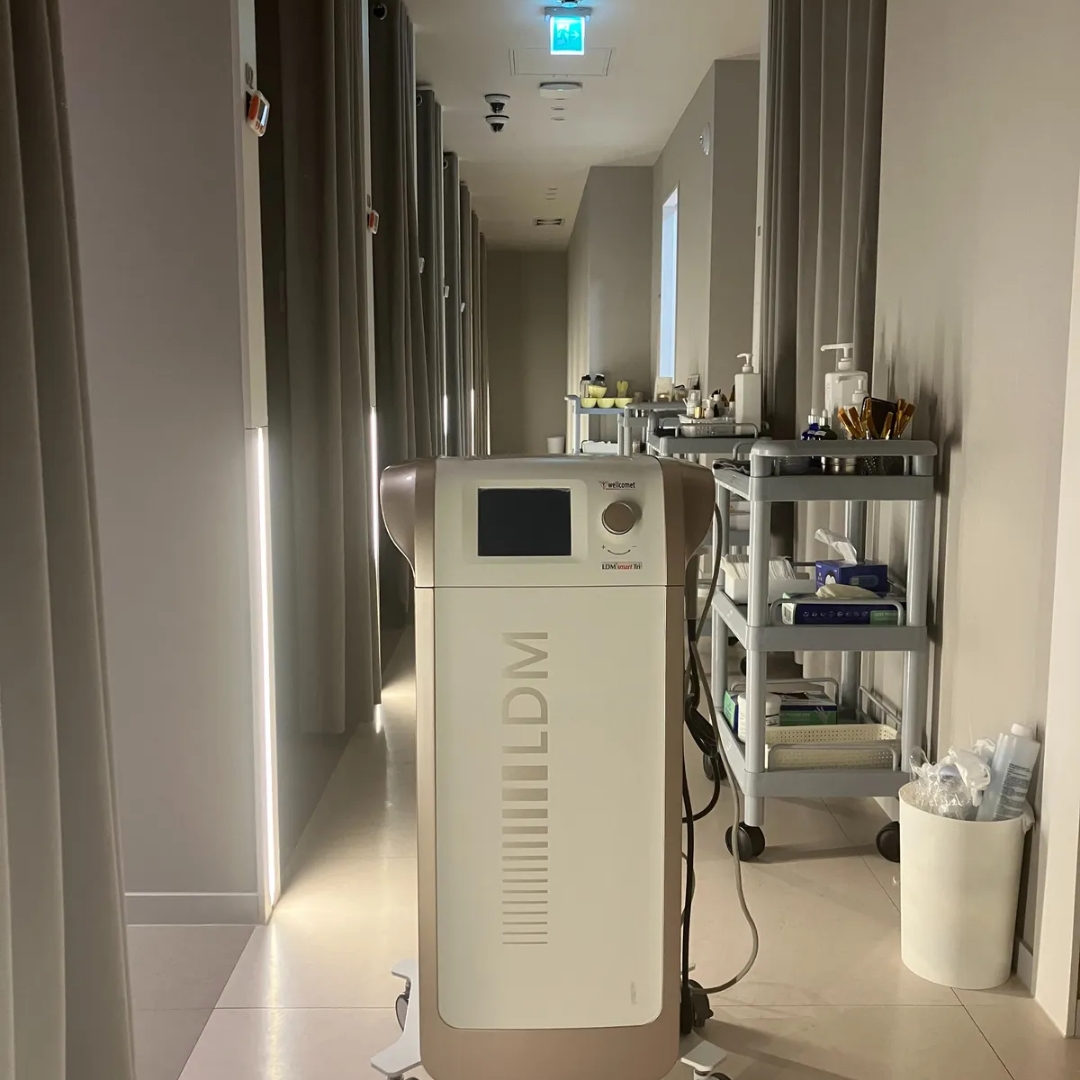
Recommended treatments
Treatments that work especially well together.
![Secret RF Laser [For Pores, Acne Scars, & Fine Lines]](/_next/image?url=https%3A%2F%2Ffirebasestorage.googleapis.com%2Fv0%2Fb%2Fkkeutguro-7e583.firebasestorage.app%2Fo%2Fproducts%252Fguro%252Fko%252F1758778761827_e048b9d7-2ada-4174-97f4-5d65ddb58fbb_1755501656271_54fcb9f0-30f4-4257-a9fe-eb5f2685e052_001-ezgif.com-png-to-webp-converter.webp%3Falt%3Dmedia%26token%3D5f6f4508-34e9-4904-a1af-e43e6fa630fe&w=3840&q=75)
Secret RF Laser [For Pores, Acne Scars, & Fine Lines]
View details →![[2x effectiveness of existing Needle RF, pores, acne scars] Elysium RF Laser](/_next/image?url=https%3A%2F%2Ffirebasestorage.googleapis.com%2Fv0%2Fb%2Fkkeutguro-7e583.firebasestorage.app%2Fo%2Fproducts%252Fguro%252Fko%252F1761561349372_fe1c0767-7ba8-4def-aa26-7f2e372b29b5____-_______-001__26_.png%3Falt%3Dmedia%26token%3Dbb4abbcc-3e4b-487a-b566-d0300fa54528&w=3840&q=75)
[2x effectiveness of existing Needle RF, pores, acne scars] Elysium RF Laser
View details →![[Fundamental Cause of Acne, Sebaceous Gland Destruction] Secret RF Agnes](/_next/image?url=https%3A%2F%2Ffirebasestorage.googleapis.com%2Fv0%2Fb%2Fkkeutguro-7e583.firebasestorage.app%2Fo%2Fproducts%252Fguro%252Fko%252F1758787183879_cc3fc456-02db-48c3-a2f3-e2fb89b0d4f9_1756118665162_3af86713-588d-4c73-bef2-48a7f8b8996b_003-ezgif.com-png-to-webp-converter__1_.webp%3Falt%3Dmedia%26token%3D797ec94e-65f8-44c8-b9f9-47623357e80d&w=3840&q=75)
[Fundamental Cause of Acne, Sebaceous Gland Destruction] Secret RF Agnes
View details →![[Acne] Ethosome Gold PTT](/_next/image?url=https%3A%2F%2Ffirebasestorage.googleapis.com%2Fv0%2Fb%2Fkkeutguro-7e583.firebasestorage.app%2Fo%2Fproducts%252Fguro%252Fko%252F1758871174984_869efd94-8dba-42ff-b044-ffe4c6435412_1756118749918_00b3c9f0-30b5-4280-957e-09c873f14e61_009-ezgif.com-png-to-webp-converter.webp%3Falt%3Dmedia%26token%3D6b01327a-ebed-4374-88fa-73bdb9959fb2&w=3840&q=75)
[Acne] Ethosome Gold PTT
View details →![[Faster Recovery] Erbium Fraxel](/_next/image?url=https%3A%2F%2Ffirebasestorage.googleapis.com%2Fv0%2Fb%2Fkkeutguro-7e583.firebasestorage.app%2Fo%2Fproducts%252Fguro%252Fko%252F1758874250246_6a5ed4db-1c3b-45a3-880b-190be6781ccf_qrwrqr.webp%3Falt%3Dmedia%26token%3D61382c2f-1547-4902-8206-5419bfdfb3e8&w=3840&q=75)
[Faster Recovery] Erbium Fraxel
View details →
Pore Complex Treatment Package
View details →Related notes
Procedure notes worth reading next.


Loading menu…