

Anyang Beomgye Melasma Treatment: How can it be improved with dermatological laser toning? Beomgye, Pyeongchon, Beomgye Station, Pyeongchon Station, Hogye-dong, Bisan-dong, Gwanyang-dong, Dongan-gu, Indeogwon, Geumjeong, Anyang
10/13/2026
This is a procedure note for Anyang Beomgye Melasma Treatment: How can it be improved with dermatological laser toning? at Gyeonggi Anyang Beomgye KKEUT Korean Clinic.
A common question for those considering melasma treatment at a dermatology clinic is whether laser treatment can lighten the pigmentation.
Melasma is a brown pigmented skin condition that appears symmetrically on the cheeks, forehead, or around the nose.
Effective treatment for melasma can only be set when the root cause is accurately understood.
What causes melasma?
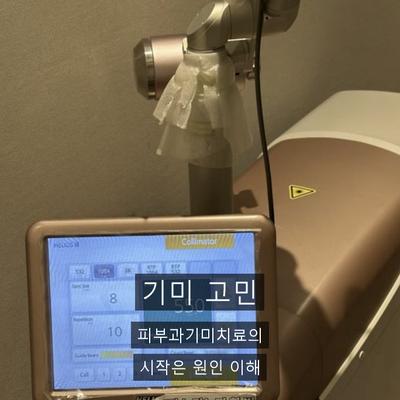
When exposed to UV light, melanocytes produce pigment to protect the skin.
Hormonal changes, inflammatory responses in the skin, and frequent friction can also stimulate melanocytes.
It is common for melasma to become darker due to changes in hormonal environment, such as pregnancy, contraceptive pill use, or menstrual cycles.
When multiple factors interact, pigmentation can concentrate in specific areas, appearing as blotchy patches.
It's important to first understand the type of melasma
Melasma is classified into epidermal, dermal, and mixed types, depending on the depth of the pigmentation in the skin.
Epidermal melasma has a distinct brown color and relatively clear borders, tending to respond quickly to laser treatment.
Dermal melasma has a bluish-gray-brown color and is located deep within the skin, often showing slower improvement and requiring more treatment sessions.
Mixed type melasma presents with both epidermal and dermal characteristics, making it difficult to achieve sufficient improvement with a single treatment approach.
Unlike common moles or freckles, melasma is characterized by ill-defined borders and spreads over a wide area.
Aggressively removing only specific areas may make it difficult to achieve an even overall skin tone.
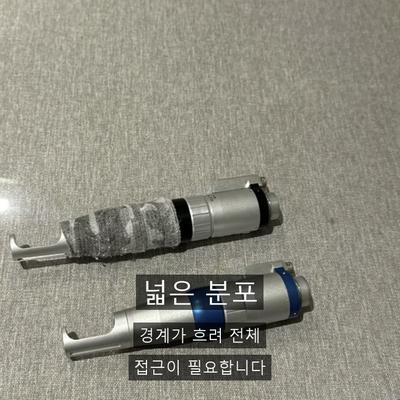
Key considerations for melasma treatment at a dermatology clinic
The first is to use gentle energy that does not excessively stimulate the pigmentation.
Skin with melasma has a sensitivity where pigmentation can be reactivated when exposed to strong heat stimulation.
The second is a treatment plan that involves consistent sessions rather than completing it in a single treatment.
The third is to combine thorough UV protection and adequate moisturizing care after the procedure.
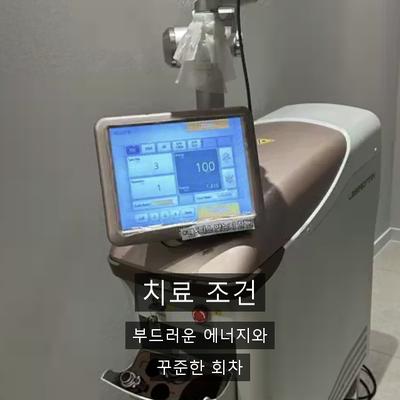
What is the principle of laser toning?
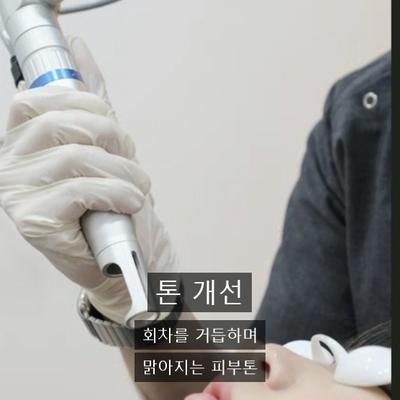
Laser toning is a treatment method that uses low-energy laser to evenly irradiate the entire face multiple times.
When pigment particles are finely broken down by the heat and shock of the laser, these fragmented particles are naturally expelled through the skin's metabolic process.
Since it does not cause direct damage to the skin surface, a major advantage is that most daily activities can be resumed immediately after the procedure.
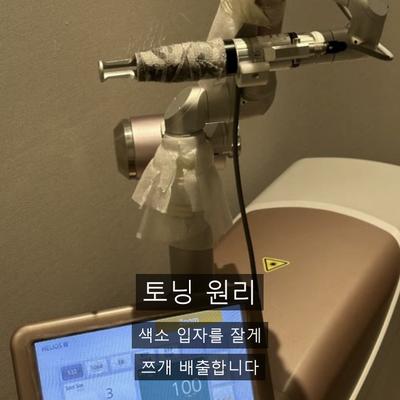
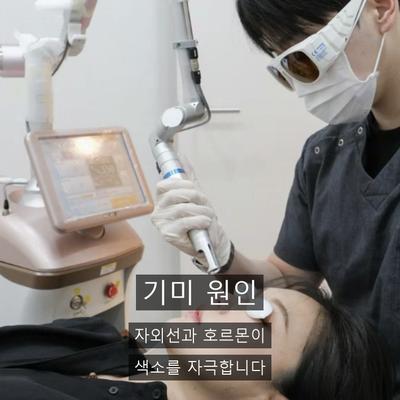
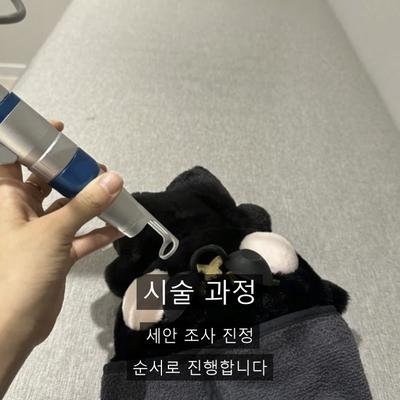
Generally, the procedure involves cleansing the face thoroughly, irradiating with the laser, and finishing with soothing care.
After uniformly irradiating the entire face with the laser, skin soothing treatment is applied, and sunscreen is used to complete the procedure.
How should the number and interval of treatments be adjusted?
Laser toning is a treatment that aims for gradual improvement through multiple sessions rather than expecting results from a single treatment.
Typically, multiple sessions are performed at intervals ranging from 1-2 weeks to as long as one month.
As treatment sessions accumulate, you can expect changes such as a clearer dull skin tone and gradual lightening of melasma.
The speed of change can vary depending on the type of melasma and individual skin condition, so it is best to determine the exact number and interval of treatments through consultation with a specialist.
Factors contributing to melasma recurrence and post-treatment care
Melasma is a condition with a relatively high recurrence rate, so consistent care is important even after the treatment is completed.
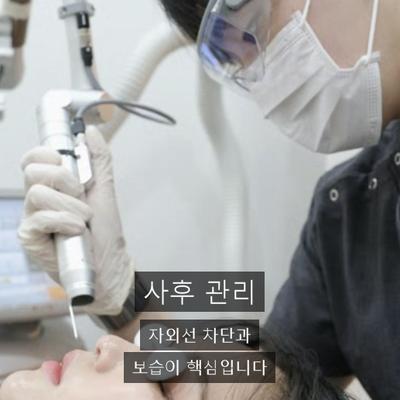
The biggest factor influencing recurrence is UV radiation, so it is necessary to make it a habit to apply sunscreen daily, indoors and outdoors, regardless of the weather.
Rubbing the face vigorously during cleansing or exfoliating too frequently can cause unnecessary irritation to the skin, increasing the likelihood of pigmentation darkening again.
Immediately after the procedure, the skin can easily become dry, so apply plenty of moisturizer, and it is best to avoid saunas or hot compresses to aid skin recovery.
Treatment Approach
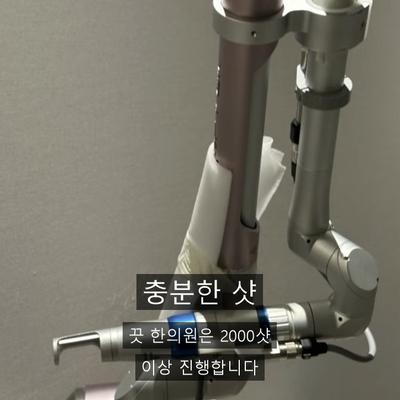
Ensure a sufficient number of shots during toning treatment, and allow the client to confirm the number of shots after the procedure.
Irradiate the entire face uniformly with the laser, but for areas with high pigment density, focus the treatment a bit more as needed.
Rather than applying the same settings for each treatment session, carefully observe the skin's reaction and gradually adjust the laser energy.
Consistent moisturizing and sun protection are important after the procedure. We will explain the detailed management plan for this.
Frequently Asked Questions
Q. How many sessions of laser toning are usually performed for melasma treatment?
The number of melasma treatment sessions varies depending on the depth and distribution of the patient's melasma. After a thorough diagnosis of your skin condition during the initial consultation, we will guide you through an appropriate treatment plan and number of sessions.
Q. What is the pain like during the laser toning process for melasma treatment?
Laser toning used for melasma treatment is performed using relatively low energy. In most cases, patients experience a mild stinging sensation, and any redness that appears after the procedure tends to subside quickly.
Q. Can melasma recur even after receiving treatment?
Melasma can recur as it is affected by various factors such as UV exposure and hormonal changes. Therefore, it is very important to consistently apply sunscreen thoroughly and maintain adequate moisturizing care even after the procedure.
Our Treatment Philosophy
We perform over 2000 shots of laser toning and verify the shot count directly after the procedure, aiming for precise management. This allows us to focus on achieving treatment goals.
We perform intensive laser irradiation on specific areas of concern, providing meticulous treatment tailored to each individual's characteristics.
During each treatment session, we monitor the patient's skin reaction and gradually adjust the energy. This approach helps achieve treatment effects while considering safety.
Based on a meticulous approach that considers individual characteristics, we strive to ensure you receive comfortable treatment.
Related notes
Procedure notes worth reading next.

Loading menu…