

Mole Removal at a Dermatology Clinic: 3 Things You Must Know Before Your Visit Beomgye, Pyeongchon, Beomgye Station, Pyeongchon Station, Hogye-dong, Bisan-dong, Gwanyang-dong, Dongan-gu, Indeogwon, Geumjeong, Anyang
8/23/2026
This is a procedure note for Mole Removal at a Dermatology Clinic: 3 Things You Must Know Before Your Visit at Gyeonggi Anyang Beomgye KKEUT Korean Clinic.
If you have decided to remove a mole, choosing which clinic to go to might be your first concern.
This is because mole removal procedures can have more variables than expected, making it difficult to choose a clinic based solely on online reviews.
Today, we'll tell you about three key things to check when choosing a medical institution for mole removal.
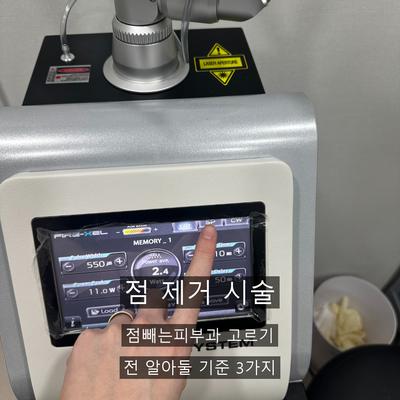
First criterion: It is advisable to check the equipment available
The laser equipment primarily used for mole removal includes Er:YAG and CO2 lasers.
Er:YAG delicately shaves off skin tissue, which can be advantageous in reducing recovery time.
While CO2 lasers may have a relatively wider range of thermal damage, they are easier for bleeding management and can help suppress mole recurrence.
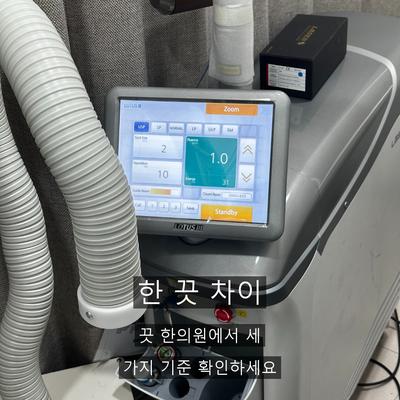
It is an important consideration to check if the facility possesses both types of equipment and uses them in an appropriate combination tailored to the type and depth of the mole.

You can expect more stable treatment results from a facility that flexibly utilizes equipment according to the characteristics of the mole (size, location, etc.), rather than one that insists on a single type of equipment.
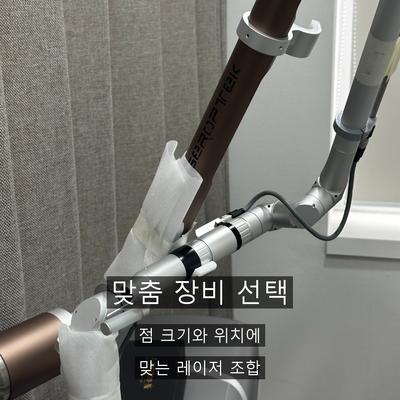
Second criterion: Capability to accurately identify the characteristics of the mole
Moles often have roots not just in the pigment on the skin's surface, but deep within the dermal layer.
If the procedure is performed too superficially without proper consideration of depth, recurrence where the mole reappears within a few months can commonly occur.
Conversely, if the procedure is performed deeper than necessary, the risk of unwanted scarring must also be considered.
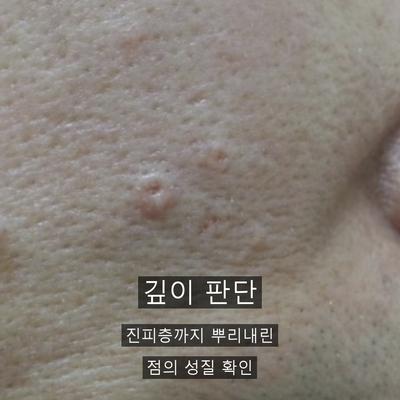
When choosing a clinic for mole removal, it is wise to inquire whether there is a procedure for thoroughly checking the nature and depth of the mole beforehand, rather than relying solely on visual inspection.
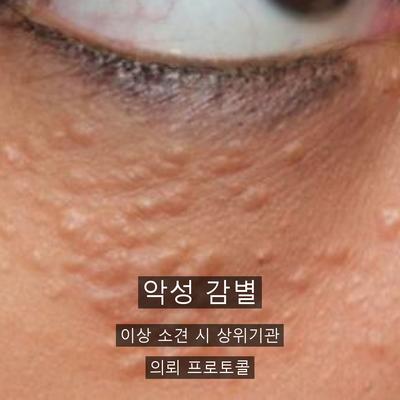
If a mole is asymmetrical in shape, has uneven color, or has recently undergone a sudden change in size, the possibility of malignancy should also be considered.
In such cases, it is important to also check if the facility has a system in place to refer you to a higher-level medical institution if a more specialized diagnosis is required.
Third criterion: System for managing recurrence, scarring, and hyperpigmentation after the procedure
Not only immediate post-procedure care but also follow-up care over several weeks significantly impacts the final outcome of mole removal.
If the scabs formed on the treated area are not properly managed or if there is excessive sun exposure, hyperpigmentation can occur, or marks may remain for a long time.
The type of dressing used after the procedure may also vary among medical institutions.
Some individuals may occasionally experience skin irritation or allergic reactions during the application and removal of standard sticker-type dressings.
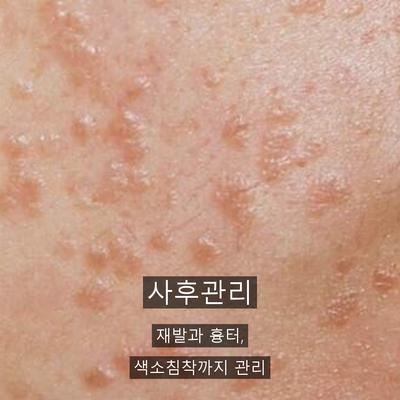
If a mole recurs or requires an additional touch-up, it can be helpful to confirm in advance whether the clinic's policy regarding this is clearly communicated.
We recommend inquiring in detail during the consultation about whether additional costs will be incurred upon recurrence and the structure of such costs.
Our Clinic's Approach to Mole Removal
At our clinic, we perform mole removal procedures considering the three criteria mentioned above.
Our clinic primarily utilizes the Er:YAG laser, and for areas requiring hemostasis, we apply the CO2 laser concurrently to reduce recovery burden and assist with bleeding management.

Even moles in delicate areas, such as around the eyes or protruding moles, can be treated according to their specific location.
If a mole's shape or color appears abnormal, raising suspicion of malignancy, we follow a safety protocol of immediately recommending a consultation with a higher-level medical institution rather than proceeding with an aesthetic procedure.
Our clinic also has unique characteristics in its post-procedure care methods.
Instead of standard sticker-type dressings, we use DuoDERM gel to minimize discomfort that may occur during application and removal.
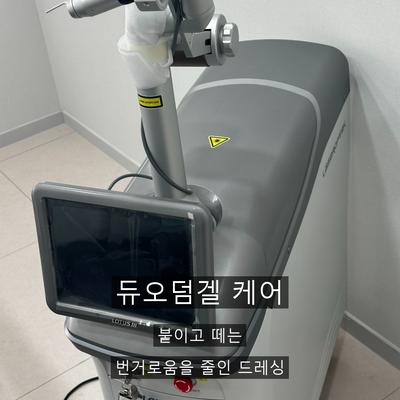
Even those who were sensitive to DuoDERM stickers can use our gel-type dressing comfortably, as it helps reduce skin irritation.
Ultimately, the key factors in choosing a medical institution for mole removal can be summarized into three categories: available equipment, mole diagnostic capability, and post-procedure care.
Frequently Asked Questions
Q. Mole removal procedure prices vary by clinic. What aspects should I focus on?
A. It is more important to first check the clinic's equipment configuration and post-procedure care methods than the price. Our clinic suggests combining Er:YAG and CO2 lasers within a reasonable price range.
Q. How can I anticipate the possibility of recurrence after a mole removal procedure?
A. Whether the dermal layer, which is the root of the mole, has been sufficiently removed influences the likelihood of recurrence. During a mole removal consultation, it is advisable to ask for an explanation of how the depth of the mole is assessed.
Q. I am concerned about scarring after a mole removal procedure.
A. This can vary depending on the intensity of the procedure and post-procedure care. When choosing a medical institution, it may be helpful to check if they provide specific guidelines for scab management and preventing hyperpigmentation.
Q. Can moles around the eyes also be removed at a medical institution?
Mole removal procedures may vary in feasibility and approach depending on the area. Our clinic carefully examines areas requiring delicate attention, such as moles around the eyes or raised moles, and plans and performs procedures accordingly.
Our Clinic's Treatment Principles
We use a combination of Er:YAG laser and CO2 laser tailored to the patient's skin condition and the characteristics of their moles. This precise equipment operation allows us to expect stable treatment results.
Thorough diagnosis of mole characteristics is crucial. Our clinic carefully checks the condition of moles and, in some cases, follows procedures that prioritize safety, such as consulting with higher medical institutions like university hospitals.
After the procedure, thorough post-care using DuoDERM gel is provided. This helps the treated area recover, reduces discomfort, and contributes to maintaining a good outcome.
A meticulous approach can lead to excellent results. Our clinic pays attention to even the smallest details of the procedure to achieve satisfactory changes.
Loading menu…