

3 Things You Must Check Before Your Thermage Treatment! Beomgye, Pyeongchon, Beomgye Station, Pyeongchon Station, Hogye-dong, Bisan-dong, Gwanyang-dong, Dongan-gu, Indeogwon, Geumjeong, Anyang
This is Gyeonggi Anyang Beomgye KKEUT Korean Clinic's procedure note on 3 Things You Must Check Before Your Thermage Treatment.
When considering Thermage treatment, many people wonder what criteria they should use to select a medical facility.
Even with the same high-frequency lifting device, the treatment process can vary significantly depending on how the procedure is planned and executed.
We've compiled three criteria in order, which may be helpful during your pre-treatment consultation.
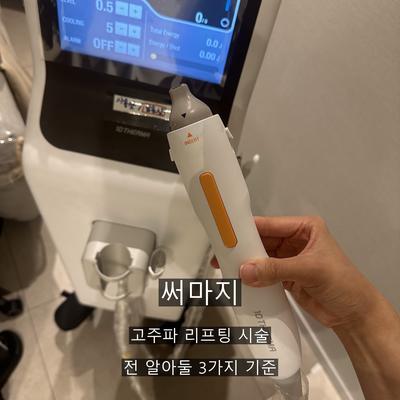
How does Thermage work?
Thermage is a unipolar RF lifting treatment that uses radiofrequency (RF) energy to deliver heat to tissues deep within the skin.
The heat delivered to the dermis and subcutaneous tissue denatures collagen, and subsequent regeneration processes can lead to improved skin elasticity.
Since collagen reconstruction takes some time, it's best to understand this treatment as one where you observe changes over time rather than immediately after the procedure.
Because it uses thermal energy without surgical scalpels or threads, it is often mentioned for addressing initial stages of skin sagging or loss of elasticity.
Thermage is a specific brand name for a device; similar high-frequency lifting devices include Tensharma, Oligio, Volnewmer, and Denshity.
At Kkeut Korean Medicine Clinic, we utilize high-frequency lifting devices such as Tensharma, Oligio, Volnewmer, and Denshity.
While each device has a different name and specific features, the basic principles of treatment planning and energy delivery can be explained as belonging to a common lineage.
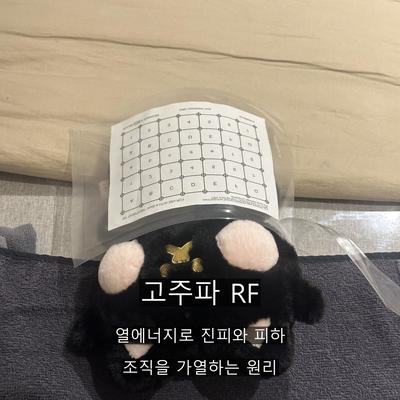
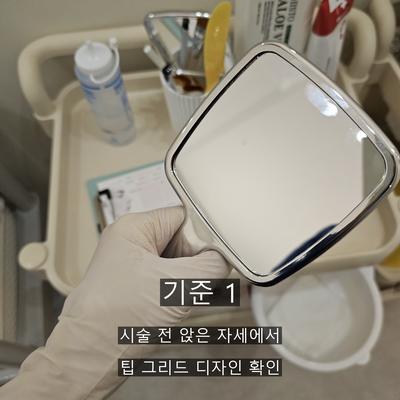
Criterion 1. Is the treatment design done in a seated position?
The first criterion is to check if there is a pre-treatment design phase.
Skin sagging tends to be less apparent when lying down. Therefore, to accurately assess the direction of sagging or facial lines, it's important to examine them in a seated position.
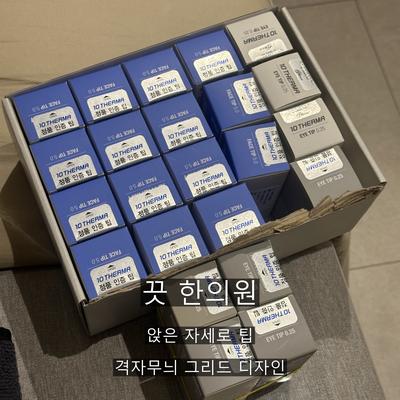
High-frequency lifting works by contacting the tip to the skin to deliver energy. You can think of it as applying heat to the area where the tip touches.
By pre-drawing a grid pattern based on the tip's surface area, you can plan the treatment to ensure heat is evenly distributed across the skin. This helps prevent overlapping or missed areas of energy delivery.
Whether you can receive a detailed explanation of the design plan during the consultation becomes an important checking point.
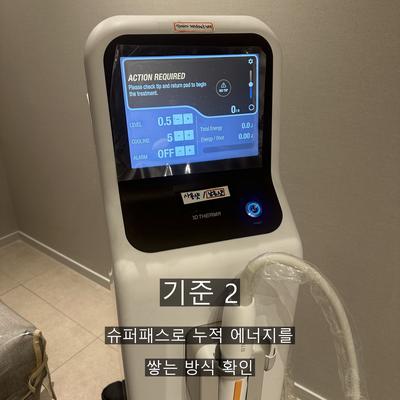
Criterion 2. How is the energy delivered?
The method of energy delivery to the skin is the second important criterion.
Even with the same device, the treatment results can vary depending on how many times energy is delivered to a specific area to accumulate heat.
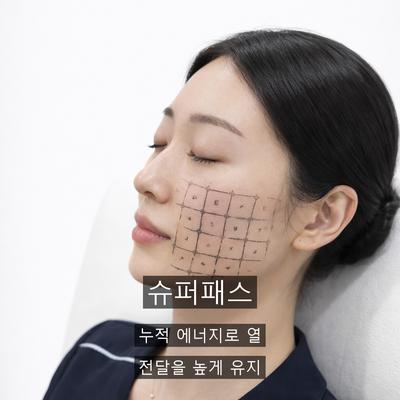
The Super Pass technique is a method of treatment that maintains high heat transfer efficiency through accumulated energy.
The method of delivering energy in a single pass versus accumulating it over several passes shows differences in the thermal sensation experienced by the patient and the progression of the treatment.
It is crucial to closely monitor the patient's reactions during energy delivery and adjust accordingly.
It's difficult to discern these differences in method based solely on the number of shots. Therefore, it's advisable to check if you can receive an explanation about the treatment delivery method.
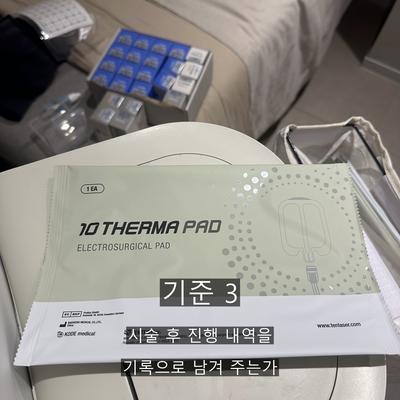
Criterion 3. Are treatment details recorded?
The third criterion is to check what records are kept after the treatment is completed.
It is difficult for patients to directly verify the process of lifting treatments themselves, and often, only the total number of shots is mentioned at the end.
If the treatment history is documented, a more in-depth consultation can be conducted during the next visit, building upon previous treatments.
You can systematically manage your treatment history through multiple sessions.
Such records become useful data for determining the appropriate interval or areas for subsequent treatments.
It is advisable to confirm in advance during your pre-treatment consultation whether the treatment details will be recorded.
Things to check in advance before treatment
For high-frequency lifting, it is more helpful to carefully compare consultation details rather than deciding solely based on the device name.
The most suitable treatment can vary depending on whether an individual's skin concern is sagging, loss of elasticity, or a focus on improving skin texture.
If deep-layer sagging is the primary concern, ultrasound-based lifting treatments may be considered in combination. Since the skin layers targeted by each treatment do not overlap, combined treatments may be recommended.
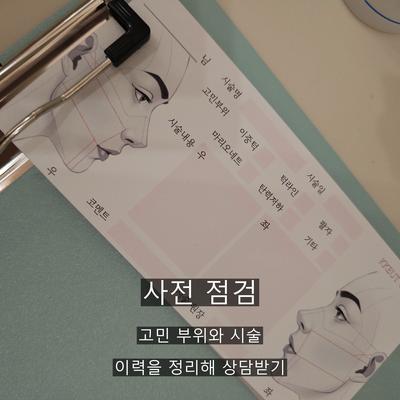
Before coming for a consultation, it helps to organize information about any medications you are currently taking, presence of skin conditions, and past treatment history to receive a more accurate consultation.
Pain and recovery time can vary depending on the device used, settings, and individual skin condition. Therefore, it is important to obtain information tailored to you during the consultation.
Kkeut Korean Medicine Clinic's High-Frequency Lifting Operating Method
At Kkeut Korean Medicine Clinic, we apply the three criteria mentioned earlier to our treatment process.
At Kkeut Korean Medicine Clinic, before the treatment, we first plan the tip grid design in a seated position.
We precisely position the tips according to the planned design. This process helps ensure that thermal energy is delivered uniformly to each treatment area.
Kkeut Clinic's Superpass technique helps to effectively deliver thermal energy to the treatment area by gradually accumulating it.
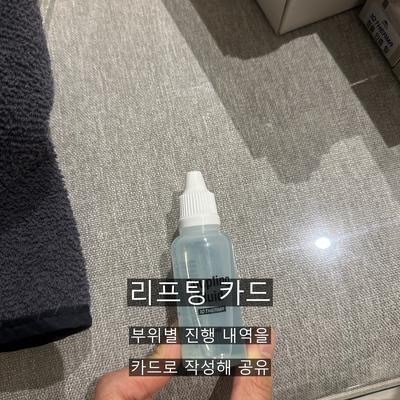
After the treatment is completed, Kkeut Clinic creates a lifting card and shares its contents with the patient.
This card records the treatment details for each area. During your next visit, detailed consultation is possible by referring to the previous treatment information.
The design and recording process during treatment may take time. Kkeut Clinic considers these processes important and allocates sufficient time for them.
The importance of pre-treatment design is mentioned in many places. Kkeut Clinic does not simply provide a verbal explanation for this design process; instead, it accurately documents and archives it.
Frequently Asked Questions
Q. Are high-frequency lifting treatments like dermatological Thermage and TenTherma the same procedure?
A. Dermatological Thermage, sought after by many, is a specific brand of equipment that uses the monopolar RF method. TenTherma, Oligio, Volnewmer, and Denssity are all also classified as high-frequency lifting devices. Kkeut Clinic recommends the appropriate high-frequency device, considering the customer's skin concerns and condition.
Q. What should I ask during a consultation when considering dermatological Thermage?
A. When consulting about dermatological Thermage treatment, it is good to check the following three factors. First, whether the design is carried out in a seated position; second, how the energy is delivered; and third, whether post-treatment records are provided. Kkeut Clinic provides detailed guidance on these three important points during the consultation process.
Q. Can I check the treatment progress even after dermatological Thermage-type procedures?
A. Even for high-frequency lifting procedures in the dermatological Thermage category, records of the treatment process must remain for future verification. Kkeut Clinic creates and provides patients with a lifting card containing this information.
The Sincerity of Kkeut Clinic
Kkeut Clinic applies a design utilizing the tip's grid pattern while the patient is in a seated position. Through this, we aim to assist in establishing a more precise treatment plan.
Kkeut Clinic's Superpass technique focuses on effectively delivering accumulated energy to maintain stable warmth in the treatment area.
By creating and sharing lifting cards, Kkeut Clinic strives to build trust with patients through a systematic treatment process.
A delicate approach with a subtle difference, you can experience it at Kkeut Clinic.
Loading menu…