

How Juvelook Fills Scars from Mole Removal and Depressed Marks Beomgye, Pyeongchon, Beomgye Station, Pyeongchon Station, Hogye-dong, Bisan-dong, Gwanyang-dong, Dongan-gu, Indeogwon, Geumjeong, Anyang
This is Gyeonggi Anyang Beomgye KKEUT Korean Clinic's procedure note on How Juvelook Fills Scars from Mole Removal and Depressed Marks.
After mole removal, the skin may not heal smoothly, and a scar may remain where the mole was removed, causing concern.
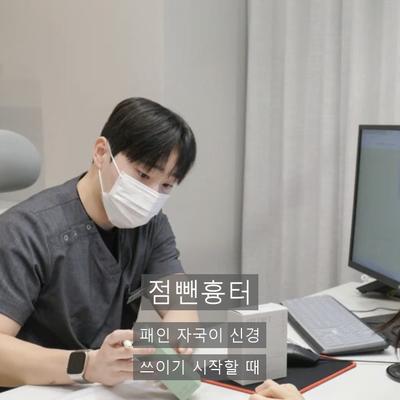
Why do scars appear after mole removal?
Moles vary in size and depth of skin penetration.
Moles located only in the epidermal layer may leave little trace after removal. However, moles deeply embedded in the dermal layer can cause some damage to surrounding dermal tissue during laser treatment.
If collagen is not sufficiently regenerated when this damaged area heals, it may result in an atrophic scar where the skin is slightly indented.
If scabs are arbitrarily removed or the area is exposed to ultraviolet light, hyperpigmentation may also occur, making the scar appear even more prominent.

The equipment used for mole removal can also affect the subsequent appearance of scars.
Treatments primarily using Er:YAG lasers typically have a relatively short recovery period and less tissue damage. Using a CO2 laser concurrently only for hemostasis when bleeding occurs can help minimize tissue damage.
However, despite the appropriate use of equipment, scars can still remain depending on the mole's depth and an individual's skin recovery ability. Therefore, if a scar develops, it is important to find the right management method for it.
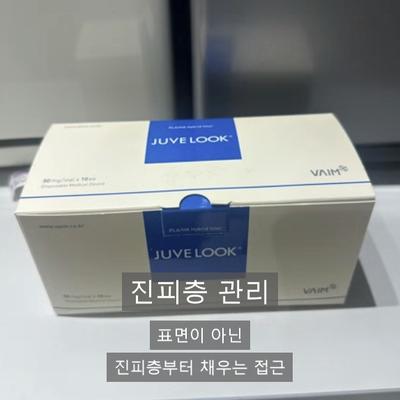
Depressed scars may require dermal layer management, not just surface treatment.
Scars from mole removal are usually a problem of depression caused by a lack of internal tissue in the dermal layer rather than the skin surface.
Simply removing dead skin cells or smoothing the skin surface often does not fill in depressed areas.
To improve depressed scars, an approach that induces collagen production in the dermal layer is necessary. For this reason, collagen-stimulating skin boosters used for acne scars or pore management are often considered for mole removal scar management.
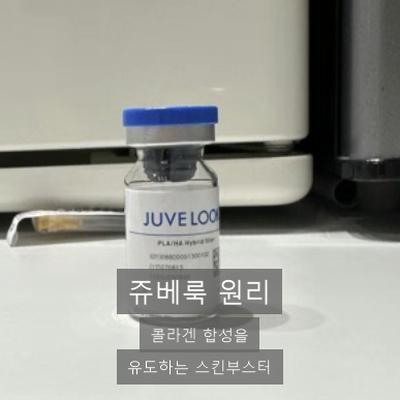
JuveLook's Principle of Scar Improvement
JuveLook is one of the skin booster treatments that acts on the dermal layer to induce collagen synthesis.
It is known as an ingredient that helps collagen production and can be used for managing pores, fine lines, and depressed scars that form after mole removal.
This method gradually fills in depressed areas as collagen is progressively restored in the dermal layer. Therefore, you can expect gradual improvement rather than immediate changes.
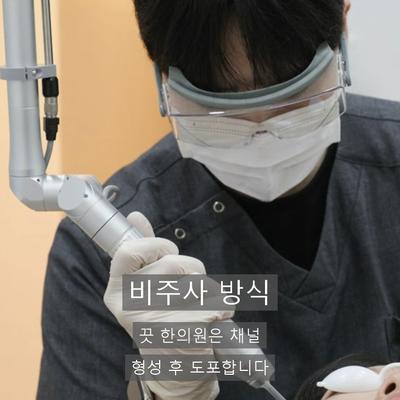
At Kkeut Korean Medicine Clinic, when consulting for mole removal scars, we first assess the degree of depression and the presence of hyperpigmentation.
If depression is the primary concern, we focus on collagen regeneration; if hyperpigmentation is also present, we develop a separate management plan for it.
Kkeut Korean Medicine Clinic's Treatment Approach
Kkeut Korean Medicine Clinic pursues a treatment approach that minimizes discomfort, rather than using direct injection methods.
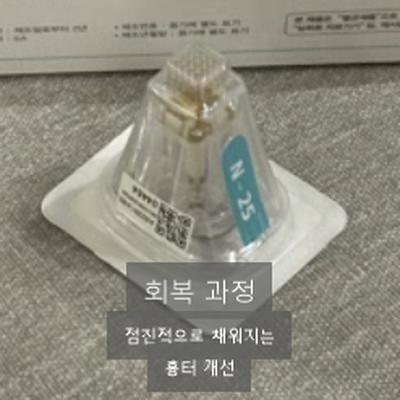
Injecting ingredients manually can carry the risk of nodule formation and may make even absorption into the dermal layer difficult. At Kkeut Korean Medicine Clinic, we first create micro-channels using a pumping tip or needle RF, then apply the ingredients to help ensure uniform delivery to the dermal layer.
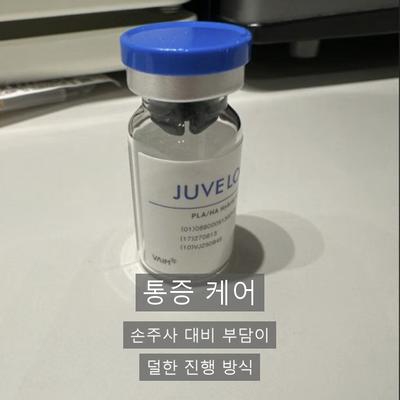
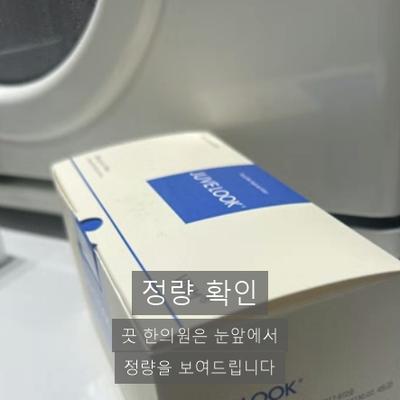
Kkeut Korean Medicine Clinic shows patients the exact amount to be used directly in front of them.
This is because we believe that confirming the exact, undiluted amount actually used is crucial for building trust in the mole removal scar management plan and for patients to consistently receive treatment.
Kkeut Korean Medicine Clinic believes that the channel-forming method can help deliver ingredients while reducing the burden of treatment.
This method does not create large wounds on the skin surface, which may result in less pain compared to manual injection. Furthermore, returning to daily life after the procedure is relatively easy, without the need for special post-treatment care.
Frequently Asked Questions
Q. Do scars from mole removal naturally disappear over time?
A. Shallow traces that were only on the epidermis may fade over time. However, scars from mole removal that involved damage to the dermal layer are often difficult to fill in with natural healing alone.
Q. Does scar improvement from mole removal appear immediately after JuveLook treatment?
A. Since it utilizes the principle of gradual collagen synthesis, scar improvement may appear progressively rather than immediately after the procedure.
Q. I am concerned about pain during mole removal scar management. Will it be okay?
A. We use a method of creating micro-channels first before injecting the ingredients. This can help reduce the burden of pain compared to manual injection.
Q. How should I manage mole removal scars accompanied by hyperpigmentation?
A. If a mole removal scar includes both depression and hyperpigmentation, it is advisable to focus on collagen regeneration for the depressed area and manage the pigmentation through separate methods. We can create a customized plan through consultation for this.
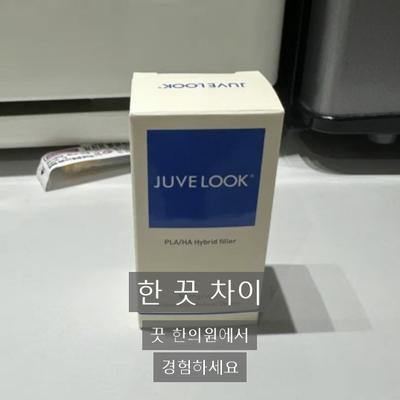
A subtle difference with a delicate approach — We recommend a thorough consultation at Kkeut Korean Medicine Clinic.
Related notes
Procedure notes worth reading next.


Loading menu…